
Last Updated on July 7, 2026
If you are a wildlife enthusiast, you’ll always be dreaming of heading out on a safari. After all, what could be better than spotting some of the most iconic creatures, like lions, right in their natural habitat? And nothing beats the thrill of a safari experience in Kenya or Tanzania.
However, many holidaymakers struggle to decide between the two countries. If you are in the same dilemma, you’ve come to the right place. We’ll compare Kenya vs Tanzania based on wildlife viewing opportunities, travel costs, tourism infrastructure, safari activities, and the best time to go.
Kenya Vs Tanzania: Wildlife Sighting
When planning an African safari, considering the abundance of wildlife is crucial, as spotting various creatures, particularly the Big Five, is a core part of the experience. And both Kenya and Tanzania are standout destinations for wildlife viewing.
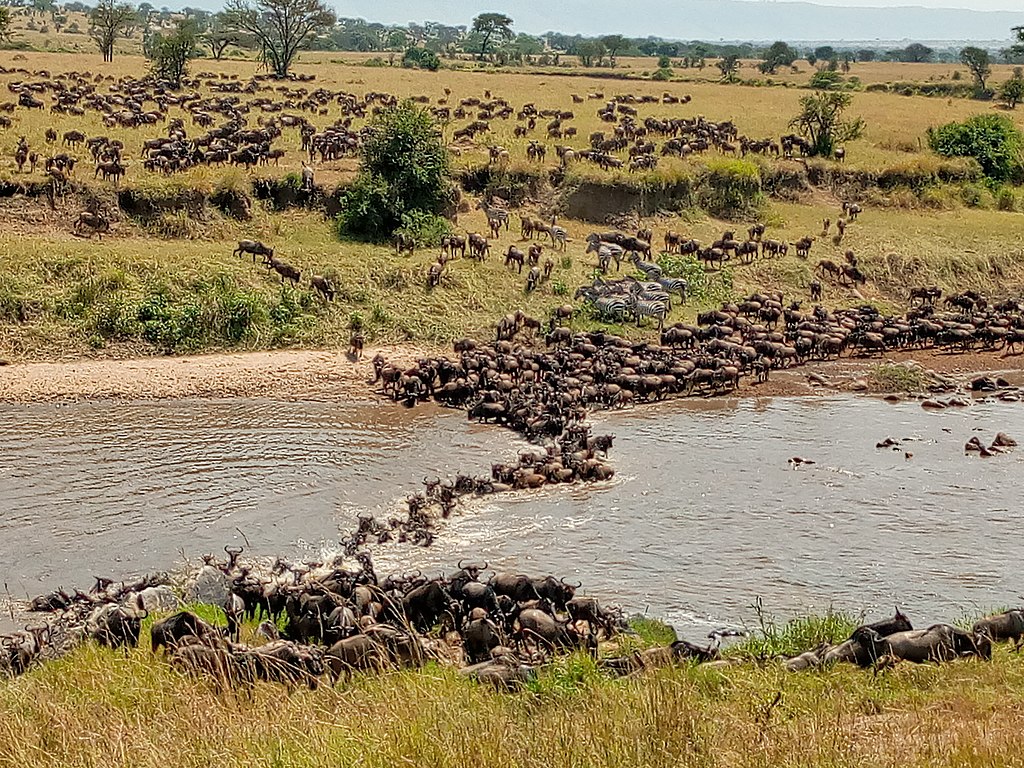
The Serengeti ecosystem, which is shared between the two countries, is home to millions of native wildlife, including the Big Five. It’s world-famous for the Great Migration, where nearly two million animals, mostly wildebeest, along with zebras and gazelles, engage in a circular journey in search of greener pastures.
This ecosystem is protected in two protected areas: Tanzania’s Serengeti National Park, which hosts a significant portion of it, and Kenya’s Maasai Mara National Reserve, both of which guarantee impressive wildlife spotting opportunities. But there are other things to consider:
Serengeti vs Maasai Mara
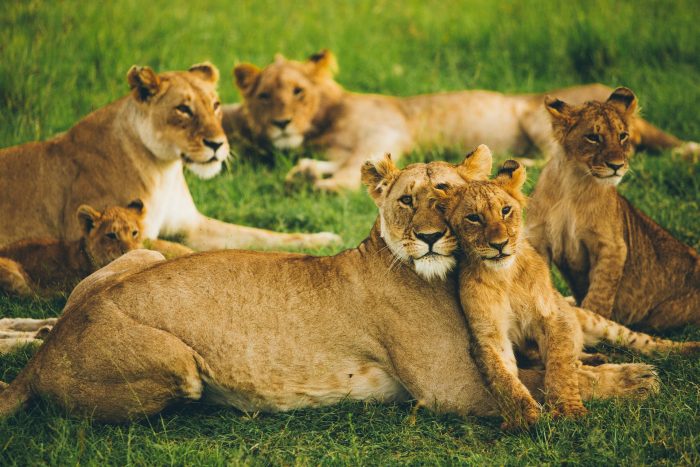
Serengeti, at approximately 5,700 square miles, is significantly larger than the Maasai Mara, which spans only 580 square miles. The upside of this vastness is that you’ll enjoy more varied landscapes, a larger animal variety, a less crowded experience, and an unmatched sense of solitude and wilderness.
However, the ‘endless plains’ also means lower wildlife density – You’ll need to drive longer distances between wildlife sightings. Maasai Mara’s small size offers a higher wildlife density, making it the perfect option, particularly for those in a rush. Also, it’s the best place to see the big cats, with a potential to stumble on one almost every ten 10 minutes!
- Winner: Maasai Mara – It offers a higher wildlife density, best big cat sighting opportunities, an intimate experience, and the Great Migration. It also guarantees a deeper immersion into the Maasai culture. Serengeti’s vastness is ideal for longer safari trips. However, it’s a better option for the Great Migration because the period lasts longer there, allowing you to witness the surreal show at different stages.
Kenya Vs Tanzania: Other wildlife spotting opportunities
Both Kenya and Tanzania offer safari experiences beyond the Serengeti Ecosystem. In Kenya, wildlife sightings extend far in the North in places like Samburu National Park, one of the most underrated safari destinations, and home to the ‘Samburu Special Five.’ Nairobi National Park, one of Kenya’s jaw-dropping experiences, and Tsavo, Lake Nakuru, and Amboseli national parks are all great safari gems waiting to be explored.
In Tanzania, Nyerere, Lake Manyara, Arusha, and the severely overlooked Katavi are incredible places to spot wildlife. The country is also home to the Ngorongoro Crater, a UNESCO-protected area with the highest concentration of wildlife, thriving within a volcanic crater. And since it shares borders with Serengeti National Park, you can always witness the Wildebeest Migration from here. Besides, Ngorongoro is a destination in its own right, boasting numerous unique features, including Lake Magadi, as well as various fun activities to enjoy.
- Overall winner for wildlife experiences: Tanzania wins due to the vast Serengeti and the presence of the Ngorongoro Crater, where wildlife density is higher than anywhere else in Africa.
Also Read: 9 Best Places to Visit in Africa in 2026
Kenya Vs Tanzania: Tourism Infrastructure
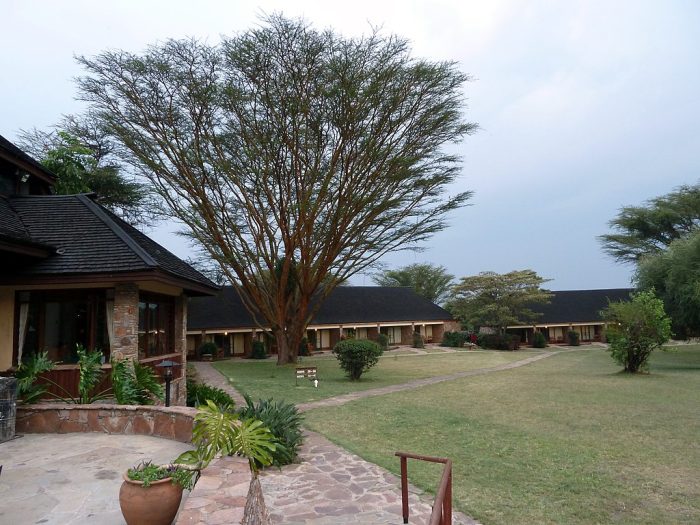
Николай Максимович, CC BY 3.0, via Wikimedia Commons
When planning a trip to East Africa, ensuring a seamless experience in finding accommodation and navigating the region is essential. Kenya and Tanzania are both well-connected, but Kenya has more international airports (six), with Jomo Kenyatta International Airport (JKIA) being the most used. Tanzania boasts three international airports, the most popular among tourists being Kilimanjaro, as it’s near the country’s best offerings.
With many incredible flight options in Kenya, you’ll enjoy more affordable airfares than in Tanzania. For places to stay, both Kenya and Tanzania offer a wide range of accommodation options, from luxurious lodges to rustic cabins and campgrounds. While finding a place to spend your safari days won’t be a hassle in both destinations, Kenya’s accommodation scene offers more options than Tanzania’s.
When it comes to transportation infrastructure, Kenya beats Tanzania, which isn’t surprising given its stronger economy. The roads are better, and there are also effective train services you can opt for.
Moreover, the country boasts a better financial infrastructure, making it easier to exchange currencies there than in Tanzania. There is a high number of ATMs that accept international cards, and plenty of currency exchange options are available.
- Winner: Kenya’s tourism infrastructure is more developed than Tanzania’s
Also Read: Everything to Know About Hiking Mount Kenya National Park
Kenya Vs Tanzania: Travel Costs
Contrary to popular belief, safaris aren’t expensive, so you can successfully plan and execute a trip, even if you aren’t wealthy. There are many tour operators to help you tailor your experience to suit your set budget.
Overall, Kenya is a more affordable safari destination than Tanzania, despite having more developed infrastructure. This is mainly due to the numerous accommodation and flight options, which help keep the costs down. So, if you are on a budget, it’s your best option. However, what you’ll spend is highly dependent on the time of the year you are visiting.
It’s also worth considering that Tanzania’s land area is significantly larger than Kenya’s, which means longer drives to travel between its national parks and reserves, resulting in higher costs.
- Winner: Kenya offers a more cost-effective safari experience, making it suitable for budget-conscious tourists.
Kenya Vs Tanzania: Safari Activities

The primary activity on an East African safari is to embark on game drives to spot various wild animals, from the most dangerous in the wild to the most vulnerable. It’s the obvious way of spending your safari days. But there are also other activities, like hot air balloon safaris, which depend on where you choose to explore.
This is where private conservancies come in; they offer some safari experiences you won’t find in a national park. Examples include:
- Off-road game drives
- Night drives
- Cultural tours
- Chimp trekking
- Fly camping
On that note, private conservancies are more common in Kenya than in Tanzania, making it a better option if you are interested in doing more than game drives during your trip. Private conservancies also ensure a limited number of vehicles in viewing locations and fewer lodges within their properties, promoting sustainable travel in Africa. The Maasai Mara Conservancies are a prime example and a leader in ecotourism in the region.
Conclusion
Deciding whether to visit Kenya or Tanzania can be a daunting task. Combining the two would be more ideal, but if you have to choose, Kenya makes a great option. Tanzania is home to both the Serengeti and the Ngorongoro Crater, and boasts a greater number of national parks and reserves, resulting in richer wildlife experiences. But at the same time, the Maasai Mara is part of the Serengeti ecosystem, where you can have some of Africa’s best wildlife sighting opportunities.
Overall, there are more safari conveniences in Kenya vs Tanzania. Kenya is also budget-friendly and the perfect choice for those seeking experiences beyond game driving, as it’s home to more conservancies than Tanzania, offering more immersive, yet sustainable, adventures.
Next Read: Luxury Africa Travel Finds a New Star in Rwanda’s Ultra-Exclusive Retreat