
Last Updated on July 7, 2026
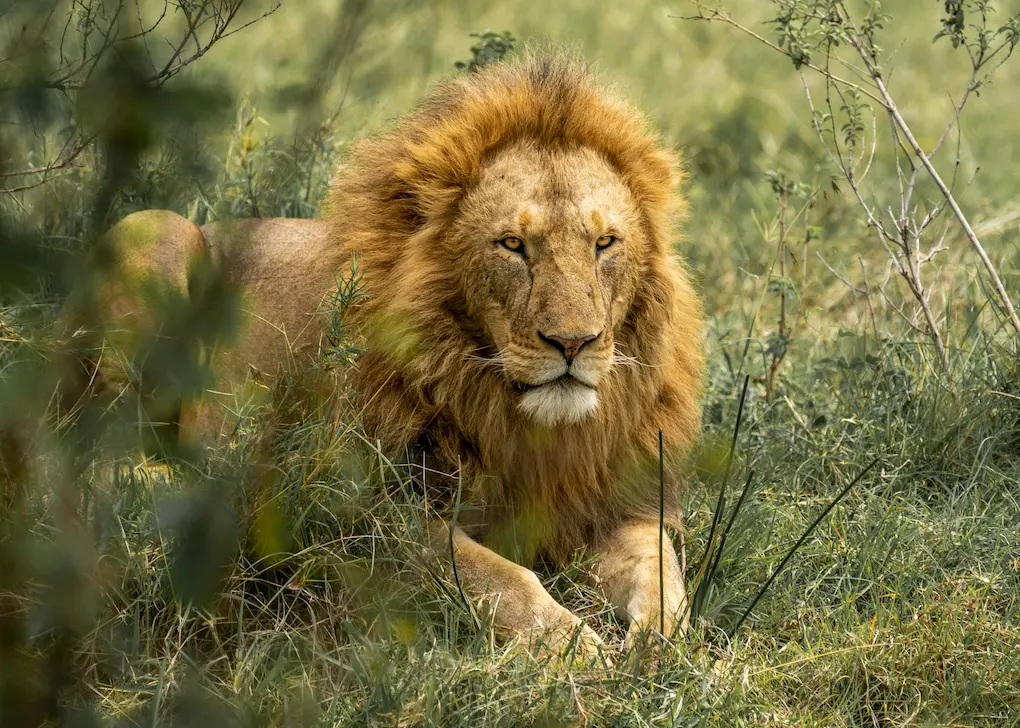
Home to the Great Migration, Maasai Mara National Reserve is regarded as one of Africa’s premier wildlife destinations. With some of the highest densities of lions, cheetahs, and leopards, combined with the vast savannah grasslands, it’s especially bucket-list worthy for big cat sightings. You can experience a classic Kenya safari here year-round. While the annual Wildebeest Migration, which coincides with the high season, significantly increases predator activity, the quiet months outside of the spectacle also bring unique opportunities. Curious about what’s wildlife really like when Maasai Mara seems quiet? This article uncovers how the animal activity shifts when ‘nothing seems to be happening.’
Wildebeest and Zebras Graze Peacefully
The Great Migration isn’t always dramatic. Outside of the peak months, the temporary abundance of food and water means wildebeest and zebras can rest and graze peacefully between the perilous journeys across Maasai Mara and Tanzania’s Serengeti. While most tourists visit to chase the ‘river-crossing’ drama, the quiet times, especially right after the peak season, are a unique opportunity to witness and appreciate the sheer, spectacular, and graceful scale of the annual spectacle without the intense moments. If you want to experience Maasai Mara without crowds, these are the perfect months to plan your trip.
Related post: Is the Great Migration Overrated? Top 5 Experiences that Prove It’s Worth It
Hippos Create a Tranquil Scene
Hippo is one of Africa’s most powerful and fascinating animals. When Mara seems calm, they rest in the pods, indulge in social bonding, or bask along the riverbanks. Although they are recognised for being notoriously aggressive, a calm atmosphere in the park reveals their quieter, more social side. The river is hardly silent, though; even in the quiet moments, you’ll hear deep grunts, yawns, and bellows.
Lions Lounge Around in Prides
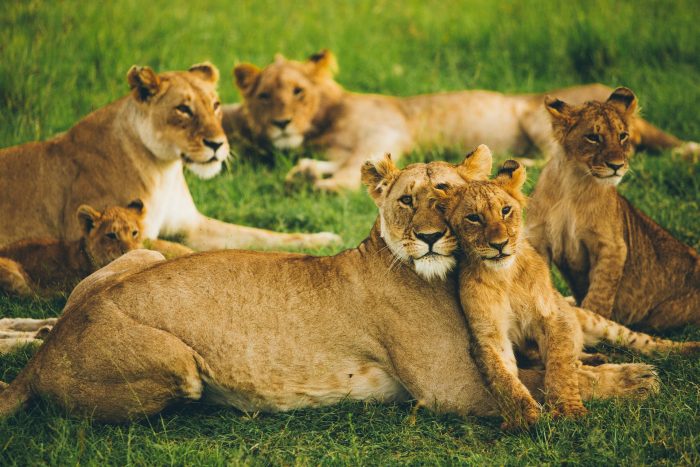
During the quiet times in Maasai Mara, lions gather in prides of up to 20 individuals, strengthening social bonds and conserving energy. These groups can be seen either basking in the sun, resting, or lounging along the roads, sometimes spending up to 20 hours in that state. While ‘nothing seems to be happening’, and the creatures appear lazy, it’s a vital part of their survival, ensuring they have the energy to hunt and protect their territories. Meanwhile, cubs become active, often playing or tumbling around.
Leopards Showcase Their Elusive Nature
Leopards are among the most elusive animals in Maasai Mara, only showing themselves when they want to. They’re famous for their ‘ghost’ energy, often appearing and disappearing suddenly, sometimes right next to safari vehicles. When the savannah seems calm, leopards remain hidden, mostly spending their time relaxing in acacia trees or hiding in riverine forests. Encountering these quiet times can be a rewarding adventure.
Cheetahs Rest on High Vantage Points
When Maasai Mara seems quiet, cheetahs, like lions, spend most of their time conserving energy. They can spend up to 90% of their day inactive, often on high vantage points, like fallen trees and low-lying branches. They use these places to hunt for prey or to watch for lions and hyenas, two of Africa’s most dangerous animals.
Even when napping or resting, cheetahs are always on the lookout; they never fully stop guarding themselves. They also spend these quiet times socialising and indulging in low-energy chases, often to practice or train their young ones.
Related post: What a Bad Safari Day in Maasai Mara Looks Like (And Why It’s Still Worth It)
Elephants Majestically Move or Graze in Groups
Encountering elephants in Maasai Mara is regarded as a powerful and humbling experience, particularly when the savannah is serene. In these moments, the herds peacefully graze on grass as they move majestically across the plains. The mothers often spend time relaxing with their young ones in the mud or lush vegetation, showcasing their deep, admirable bonds.
Birdlife Becomes More Noticeable
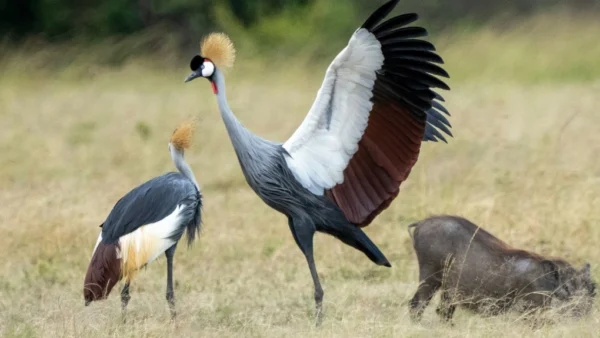
Maasai Mara National Reserve boasts over 500 bird species, making it a premier birdwatching destination. Thanks to the park’s diverse habitats, from acacia woodlands to grasslands and riverine forests, birding here is year-round, but the view is more spectacular when the large mammal activity is low. The quieter times offer opportunities for spotting larger birds, such as Kori Bustards and secretarybirds. April and November guarantee the most unforgettable birding experiences.
Conclusion
So, what’s wildlife really like when Maasai Mara seems quiet? Well, they don’t disappear. They simply slow down, shifting to a different rhythm. Instead of the intense wildlife moments, like the dramatic river crossings and chases, you get to witness these creatures’ quieter side; the social bonds and relaxing moments, which are just as vital to their survival. The quiet atmosphere showcases a deeper side of the Maasai Mara, which most travellers don’t get to see since they only pay attention to the peak season action. When you visit during the calmer times, you’ll observe and appreciate the animals and the landscape beyond the spectacle. These are the moments that reveal the park’s true nature and are therefore well worth your time.