
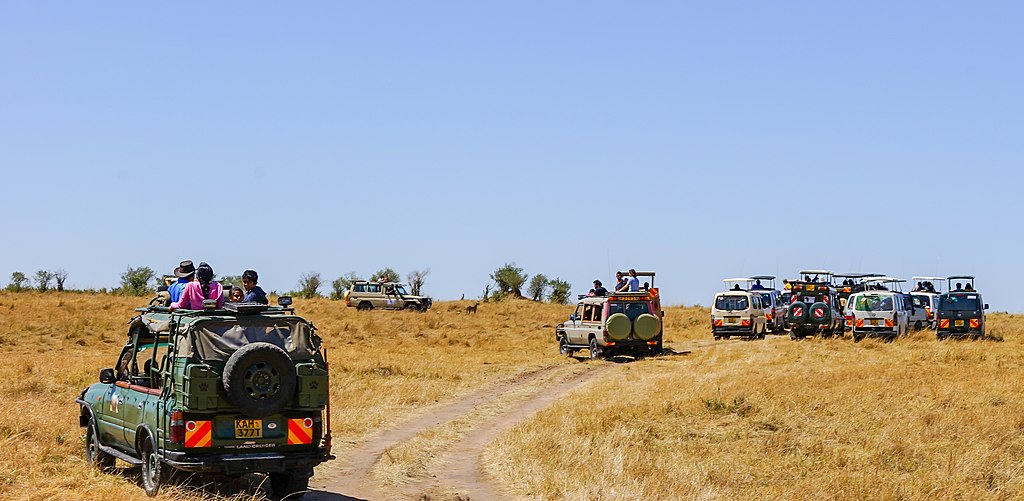
Last Updated on July 7, 2026
Dreaming of a Kenya safari? There’s no better way to experience Africa’s diverse wildlife, rich cultural heritage, and dramatic landscapes. From Maasai Mara’s exceptional big cat sightings to Amboseli’s elephant herds, and Samburu’s rustic scenery and unique creatures, this East African nation delivers safari experiences in a way that only a few destinations in the world can match.
But if we’re being honest, planning a Kenya safari can be overwhelming, especially when you are exploring for the first time. You’ll be asking yourself a lot of questions: Which places should I visit? When is the best time for a Kenya safari? And how much should I budget for? Our Kenya safari guide for first timers covers top destinations, costs, tips, and what to know before you go.
Kenya is a world-class safari destination that has always been on many Americans’ wish lists. Here is why it should be on your radar:
- Easy logistics. If you are wondering whether Kenya or Tanzania is better for safari, choose Kenya for its excellent logistics. The country has an incredible accommodation scene, with numerous options, from luxury ecolodges and mobile safari camps across major parks. It also offers impressive flight connections, with many major airlines creating new routes and expanding existing ones.
- Because of the new Electronic Travel Authorisation (ETA), Kenya’s visa processes are much simpler, making entry into the country easier.
- The country has several community-based conservancies, including the well-known Mara Conservancies, one of the best destinations for sustainable travel in Africa. These conservancies allow for more intimate safari experiences.
- The Great Migration, Africa’s grandest natural wonder, remains a bucket-list-worthy experience for 2026.
- Year-round wildlife encounters with many iconic destinations across the country.
Kenya Safari Guide: Where to Go in 2026
Masai Mara National Reserve
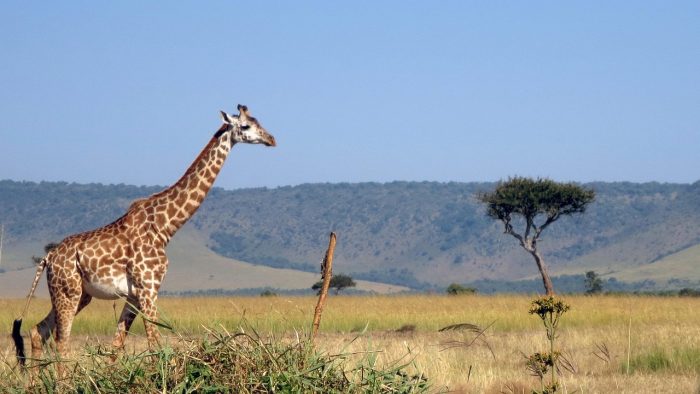
The Maasai Mara is Africa’s premier safari destination, perfect for first-time safari-goers interested in big-cat sightings and dramatic open savannah landscapes. While Tanzania’s Serengeti also belongs to the same ecosystem and is much larger, the national reserve stands out for its wildlife density. It’s home to the Big Five and plenty of other creatures, which you can see year-round.
Why Visit Maasai Mara?
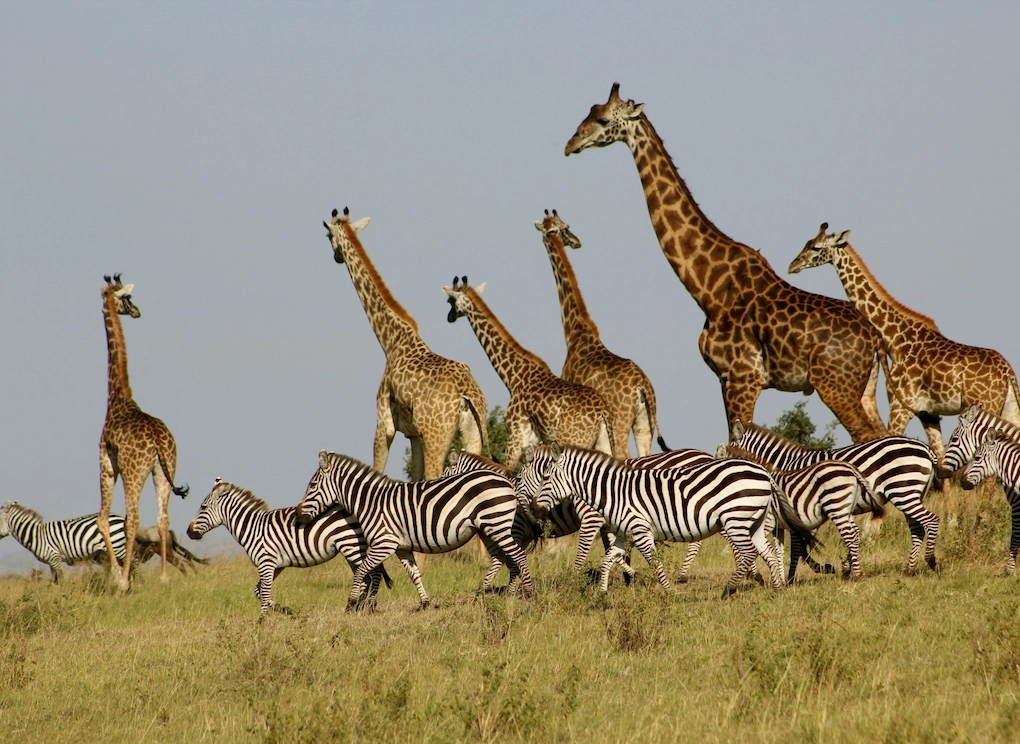
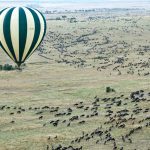
- Great Migration: It hosts the Great Migration between July and October, one of the most iconic wildlife spectacles in Africa.
- Unmatched big cat sightings: Maasai Mara has one of the highest lion concentrations on the continent, with excellent chances of spotting cheetahs and leopards too.
- Family-friendly safari options: It is an excellent choice for families, thanks to many kid-friendly lodges and safari activities.
- Perfect for photography: The open savannah, dramatic sunsets, and abundant wildlife make it a photographer’s haven.
- Unique safari experiences: Activities like hot-air balloon safaris allow you to view the reserve from a completely different perspective.
What Not to Miss:
- Sunrise hot-air balloon safari for unforgettable aerial views of the reserve.
- Game drives in the Mara Triangle for excellent wildlife sightings and beautiful open landscapes.
- Village visits with Maasai communities for a deeper cultural understanding of the region.
Related post: What a Bad Safari Day in Maasai Mara Looks Like (And Why It’s Still Worth It)
Amboseli National Park
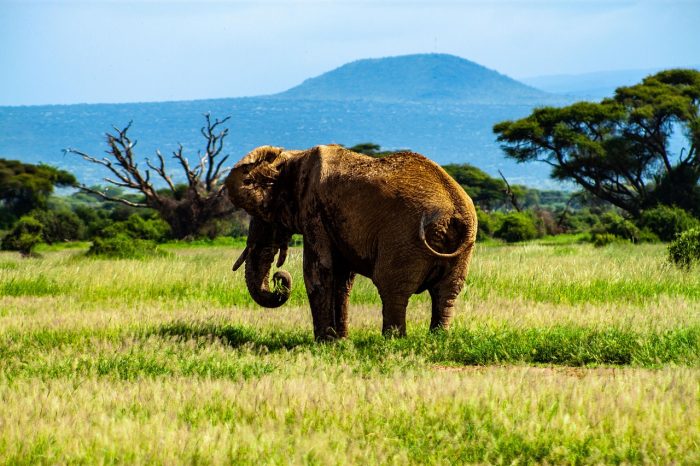
Amboseli National Park, with its striking scenery and gorgeous views of Mount Kilimanjaro, is among the top hidden safari hotspots in Kenya. It has one of the highest concentrations of elephants, which roam freely across the plains. You’ll also come across other wild creatures, including leopards, cheetahs, lions, and hundreds of bird species. There are many activities in the park, including walking safaris and traditional game drives. Amboseli is only a four-hour drive from Nairobi, making it a perfect day trip.
Why Visit Amboseli?
- Large elephant population: Amboseli is one of the best places in Kenya to see elephants, including large herds moving across the open plains.
- Gorgeous Mount Kilimanjaro views: On clear days, the snow-capped mountain creates one of the most iconic safari backdrops in East Africa.
- Plenty of wildlife sightings: Beyond elephants, Amboseli also offers chances to see lions, buffalo, giraffes, zebras, wildebeests, hyenas, and many bird species.
- Easy access from Nairobi: Amboseli is a practical choice for travellers who want a rewarding safari experience without adding too many travel days.
What not to miss:
What Not to Miss:
- Sunset drives for golden light, dramatic landscapes, and unforgettable wildlife viewing.
- Views from Observation Hill for sweeping panoramas of the park, swamps, and surrounding plains.
- Village visits and guided safari walks with local guides for a deeper cultural and nature-based experience.
Related post: Sustainable Safari in Kenya: How to Choose an Ethical Safari Experience
Samburu National Reserve
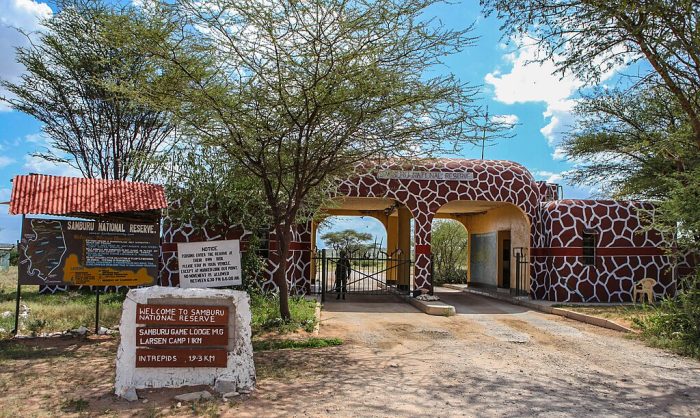
If you are seeking a wilder adventure, visit Samburu National Park, one of the most underrated safari destinations. Nestled far in northern Kenya, it’s more rugged, warm, and exudes an undeniably raw charm, with unique wildlife that you won’t find elsewhere, the endemic species of Northern Kenya. It’s a world of its own; a great option for an off-the-beaten-path African safari.
Why Visit Samburu?
- See the Samburu Special Five: Samburu is famous for unique wildlife species you are unlikely to spot in many other Kenyan parks, including the Grevy’s zebra, Somali ostrich, Beisa oryx, gerenuk, and reticulated giraffe.
- Deep cultural immersion: A visit to Samburu offers meaningful opportunities to learn about the traditions, lifestyle, and heritage of the Samburu people.
- Far fewer crowds: Compared to the Masai Mara, Samburu feels quieter and more peaceful, making it ideal for travellers who prefer a more tranquil safari experience.
- Exclusive safari vibes: Its remote setting, dramatic landscapes, and lower visitor numbers give Samburu a more intimate and exclusive feel.
What Not to Miss:
- Bush walks for a slower, more intimate way to experience Samburu’s landscapes, wildlife tracks, and smaller details often missed on game drives.
- Cultural tours for meaningful encounters with the Samburu people and a deeper understanding of their traditions and way of life.
- Afternoon drives along the Ewaso Ng’iro River for excellent wildlife viewing, especially as animals gather near the water.
Tsavo National Park
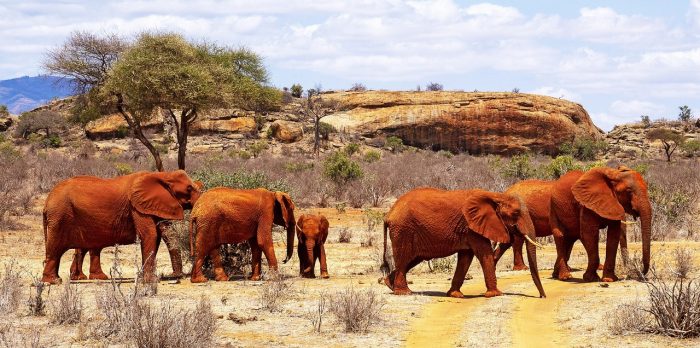
Tsavo National Park, divided into East and West Tsavo, is Kenya’s largest national park. It covers over 8,000 square miles and guarantees impressive game viewing in the southeast. Tsavo West is smaller, hillier, and more rugged than Tsavo East, which is primarily flat and open, and is dominated by arid plains with thorny shrubs. Tsavo West’s best attractions include the Ngulia Rhino Sanctuary and the Mzima Springs. Tsavo East, on the other hand, is most notable for its Yatta Plateau, the longest lava flow on Earth, the Galana River’s magnificent Lugard Falls, and the ‘red elephants. You can enjoy Big Five sightings in both parks.
Why Visit Tsavo?
- Huge elephant herds: Tsavo is famous for its “red elephants,” which get their striking colour from rolling in the park’s red volcanic dust.
- Striking scenery: The landscape is beautifully dramatic, with lava flows, rugged hills, open plains, and vast wilderness views.
- A more adventurous safari feel: Because Tsavo is remote, wild, and less visited than some of Kenya’s busier parks, it offers a quieter and more adventurous safari experience.
What Not to Miss:
- Mzima Springs for its clear water pools, hippo sightings, fish, and lush greenery in the middle of Tsavo’s dry landscapes.
- Rhino Sanctuary in Tsavo West for a chance to learn about rhino conservation and spot one of Kenya’s most protected species.
- Shetani Lava Flows for dramatic volcanic scenery and a closer look at the rugged landscapes that make Tsavo feel so wild and untamed.
Kenya Safari Activities
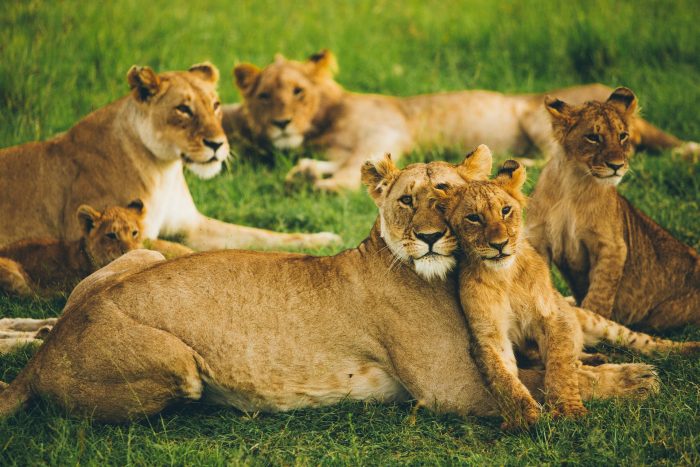
Kenya offers a plethora of safari experiences, whether you prefer a relaxed or more adventurous vibe.
Game Drives
Game drives are the most popular way to spot wildlife on a safari in Kenya. You can opt for morning or evening drives in a 4×4.
Walking Safaris
These are guided bush walks that allow you to discover tracks and various flora and fauna in the company of an expert, armed guide. These walks will enable you to see Kenya’s landscapes from a unique perspective, where you can witness and appreciate the smaller details of the environment.
Night Drives
Kenya’s night game drives, often offered by conservancies, take you on an unforgettable journey to spot various nocturnal species, including leopards, civets, and bush babies, after dark.
Balloon Safaris
Hot air balloons allow you to view Kenya’s beautiful landscapes and wildlife from above. The Maasai Mara is a popular spot for hot-air balloon rides.
Cultural Experiences
With 47 tribes, Kenya is a true cultural melting pot. And no matter where you are exploring, whether it’s the coast, known for its Swahili culture, or Maasai and Samburu communities, village visits to these places are must-dos! You can enjoy plenty of fun, immersive cultural activities, including storytelling, trying Swahili dishes, and watching traditional dances.
Horseback safaris
Samburu conservancies offer some of the most unforgettable horseback riding safaris, with trails suitable for all skill levels. Ol Malo Lodge is a hotspot for this.
Boat Safaris
Another way to get a unique perspective of Kenya’s rich biodiversity is to take a boat safari. The trips take you through the country’s tranquil lakes and rivers, offering serene wildlife encounters, birdwatching, and opportunities to marvel at the aquatic ecosystems.
Related post: 7 Best Wildlife Conservancies in Kenya
Best Time for Kenya Safari
Kenya offers year-round safari experiences, but when you visit matters, particularly in determining your budget and the best wildlife-spotting opportunities.
When to Visit Kenya for Wildlife
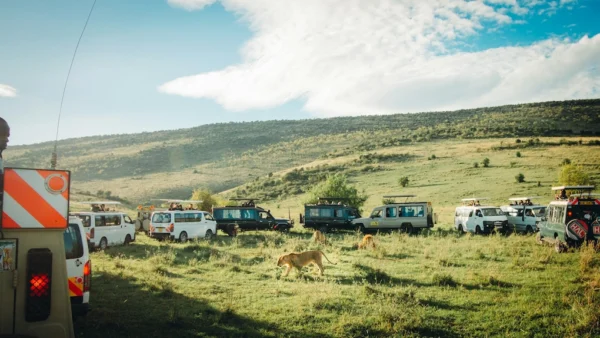
The peak season, which spans from July to October, offers the best opportunities for wildlife spotting, making it the best time to visit Kenya for a first timer. It’s the dry season, which means wild creatures will always gather at water sources. However, since demand for safaris in Kenya is highest at this time of year, booking early is essential.
That said, every season brings bucket-list-worthy experiences. The Green Season in Kenya runs from November to May and features low Kenya safari costs, lush landscapes, and abundant newborn wildlife. Although it may not be ideal for wildlife spotting due to the dense vegetation, you’ll definitely enjoy a less crowded experience with guides providing more personal attention. It’s also the best time to visit if you want great value for your money. However, keep in mind that roads can be muddy and some camps remain closed.
Here’s how safari seasons compare in Kenya:
Kenya Safari Seasons at a Glance
- July to October: The Great Migration, dry weather, and classic wildlife viewing.
- January to March: Fewer crowds, clearer skies, and strong wildlife sightings.
- April to May: Lower prices, quieter parks, lush landscapes, and a higher chance of rain affecting road conditions.
- June and November: Value for money, breathtaking scenery, and fewer vehicles.
- December: Green landscapes, excellent birdwatching, a quieter safari atmosphere, and softer light for photography.
Related post: What’s Kenya Like During the Green Season?
How to Plan Your Kenya Safari for 2026
Planning a safari in Kenya might sound overwhelming, considering all the things you need to consider, from costs to accommodation and activities, but it doesn’t have to be. Use these tips to plan your perfect safari:
i. Set Your Budget Early
Before planning, it’s worth knowing Kenya safari costs so you can budget accordingly for your destination. Here is a breakdown of safari price ranges in Kenya:
Kenya Safari Cost Guide
- Budget: $150–$300 per day
- Mid-range: $300–$600 per day
- Luxury: $700–$2500+ per day
Wondering how to cut your Kenya safari costs?
You Can Save Money By:
- Visiting in shoulder seasons
- Choosing midrange lodges
- Joining group safaris
- Combining parks close together
ii. Choose one or two of the main parks
One mistake to avoid on a safari is trying to visit all the places in a single trip. Kenya offers numerous safari options, but sticking to one or two of its main parks ensures a seamless adventure. Also, consider balancing activities and taking breaks between them. Say no to overscheduling. Safari fatigue is real, so be aware of your limits.
Ideal combos:
Ideal Kenya Safari Combos
- Masai Mara + Amboseli is a classic safari combo
- If you are exploring Northern Kenya, opt for Samburu + Laikipia
- For southern safaris, go for Tsavo East/West + Coast
- Meanwhile, Nairobi National Park + Naivasha + Nakuru is an ideal short safari combo
Tip: If you have limited time, a short 5-day Kenya Safari from Nairobi can help you combine Lake Nakuru, Naivasha, and Maasai Mara without overplanning.
iii. Choose Your Safari Style
Your safari style will depend on your budget, the amount of time you have, and the activities you are interested in.
Which Kenya Safari Style Fits You?
Go for:- Private safari if you want to be flexible and comfortable
- Group safari if you are on a budget
- Fly-in safari if your time is limited
- Road safari for both scenery and affordability
Note: If you prefer a locally planned itinerary, Kifaru Discover Safaris offers Kenya safari packages across popular routes, including Masai Mara, Amboseli, Samburu, Tsavo, and Nakuru.
iv. Book Early
For the 2026 peak season, book 9–12 months in advance. Balloon safaris and popular lodges and camps sell out fast.
v. Pack Smart (& Light)
Kenya’s baggage allowance in its domestic flights is strictly 15 kg per person, which must be in soft bags. Some of the must-haves include:
Kenya Safari Packing Essentials
- Light-neutral clothing
- Fleece for mornings
- Sunscreen + hat
- Binoculars
- A camera or a phone with a good lens
- Insect repellent
vi. Support Community-Based Tourism
Become a responsible traveller while on a Kenya safari by supporting community-based tourism:
How to Support Community-Based Tourism
- Hire local guides
- Use eco-friendly practices
- Support nearby communities
These practices allow you to enjoy a more meaningful safari adventure in Kenya.
Why Kenya Is a Perfect Safari Destination for First-Timers
If you are planning your first African safari, there’s no better place to begin your adventure. Kenya offers classic wildlife experiences, accessible safari routes, experienced guides, and a wide range of parks, lodges, and tour options for different budgets.
Why First-Time Safari Travellers Love Kenya
- World-famous safari destinations: Kenya is home to iconic parks and reserves like the Masai Mara, Amboseli, Samburu, Lake Nakuru, and Tsavo.
- Excellent wildlife sightings: First-timers have a good chance of seeing lions, elephants, giraffes, zebras, buffaloes, rhinos, cheetahs, and many other species.
- Easy safari planning: Many safari routes start from Nairobi, making it easier to plan short, mid-range, luxury, group, or private safari experiences.
- Variety of landscapes: From open savannahs and acacia-dotted plains to lakes, forests, dry northern landscapes, and Mount Kilimanjaro views, Kenya offers more than one kind of safari scenery.
- Options for different budgets: Whether you want a budget group safari, a comfortable mid-range lodge, or a luxury tented camp, Kenya has plenty of choices.
- Rich cultural experiences: A Kenya safari can also include meaningful cultural encounters, especially with communities such as the Maasai and Samburu.
- Good choice for families and solo travellers: Many lodges and tour operators cater to first-time visitors, families, couples, solo travellers, and photographers.
In short, Kenya gives first-time safari travellers the kind of experience many imagine when they think of an African safari: dramatic landscapes, unforgettable wildlife, knowledgeable guides, and enough variety to build a trip around your time, budget, and comfort level.
Make 2026 Your Year to Explore Kenya Safari
Congratulations! You made it through our Kenya safari guide for first timers. And now you know our country is way more than just a holiday destination; it offers a deeply immersive adventure through some of Africa’s wildest places. From hot ballooning to elephants crossing the plains to the Maasai people sharing their unique culture and traditions, you can create many beautiful memories.
Frequently Asked Questions
Which Safari is Best in Kenya?
The Masai Mara is the best safari destination in Kenya for first-timers because it offers classic savannah scenery, excellent big cat sightings, and the Great Migration from July to October. Amboseli is also a top choice for elephant sightings and views of Kilimanjaro.
How Much Does a Kenya Safari Cost?
A Kenya safari can cost around $150–$300 per person per day for budget trips, $300–$600 for mid-range safaris, and $700–$2,500+ for luxury experiences, depending on accommodation, season, park fees, and transport.
How Much is a 4-Day Safari in Kenya?
A 4-day Kenya safari usually costs around $600–$1,200 per person for budget options, $1,200–$2,400 for mid-range trips, and $2,800+ for luxury safaris. Prices vary based on destination, accommodation, and whether it is private or shared.
How Do I Book a Kenyan Safari?
Start by choosing your travel dates, budget, preferred parks, and safari style. Then compare reputable tour operators, check what is included, read recent reviews, and confirm park fees, accommodation, transport, meals, and cancellation terms before paying a deposit.