

Last Updated on July 7, 2026
Kenya is often reduced to safaris. Yes, the wildlife is world-class, but the magic of this country is how diverse it feels within short distances. You can start your week experiencing the bustling nature of Nairobi, stand on the slopes of Mount Kenya the next day, discover the endemic species of Northern Kenya, and then end your trip immersing yourself in the charms of ancient Swahili streets by the ocean. This 7-day Kenya itinerary starts in Nairobi and balances wildlife adventure, cultural exploration, dramatic landscapes, and coastal experiences.
Day 1 – Nairobi
Kenya’s capital is one of the few cities in the world where you can go on safari in the morning and enjoy a rooftop dinner at night. Spend your first day easing into the country as you encounter its wildlife and culture.
Nairobi National Park
Just 20 minutes from the city centre, this is the only national park in the world located within a capital city, and among the best things to do in Kenya. You can spot lions, rhinos, giraffes, and buffalo against a backdrop of skyscrapers. A sunrise game drive gives the most unforgettable sightings with cooler temperatures. There’s no better introduction to Kenya’s wildlife than Nairobi National Park.
David Sheldrick Wildlife Trust Elephant Orphanage
This conservation centre rescues orphaned baby elephants and prepares them for life back in the wild. The daily public feeding session is heartwarming and educational. You learn how poaching and drought affect elephants and how rehabilitation works. Visiting early in your trip helps you understand Kenya’s impressive conservation culture.
Giraffe Centre
Visiting the Giraffe Centre allows you to feed endangered Rothschild giraffes from an elevated platform at eye level. It is playful, educational, and definitely worth your time. The forest nature trail around the area offers a quiet, scenic walk after the excitement of meeting and interacting with giraffes.
Bomas of Kenya
One of the things Kenya is most famous for is its diverse culture. At the Bomas of Kenya, you’ll enjoy a deep cultural immersion, witnessing traditional homesteads and daily life from Kenya’s major ethnic groups. The afternoon dance performances are energetic and colourful, offering a glimpse of the country’s diverse heritage in one place.
Related post: 9 Cheap Places to Visit in Nairobi You’ll Wish You Knew Sooner
Day 2 – Drive to Mount Kenya Region
Start your 2nd day of the 7-day Kenya Itinerary with a drive to one of the country’s most iconic destinations. After breakfast, leave Nairobi and head north toward Mount Kenya. The drive takes about four hours, and the scenery changes dramatically as you climb into cooler highlands.
Mount Kenya National Park
Mount Kenya is Africa’s second-highest mountain and a UNESCO World Heritage Site. Even if you are not climbing the summit, the scenery is still gorgeous from the lower slopes. Expect forests, waterfalls, alpine meadows, and fresh mountain air. Short hikes and forest walks give you a refreshing break before returning to wildlife adventures.
Coffee Farm Experience
Central Kenya’s world-class coffee is a must-have experience on a 7-day trip to Kenya. Many farms offer guided tours where you’ll learn a lot, including the history of these farms and how they make their coffee. It is a relaxed and authentic way to experience rural Kenya while supporting local farmers.
Day 3 – Samburu National Reserve
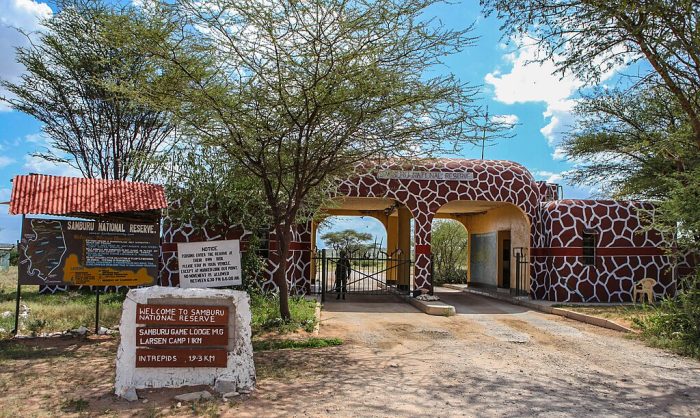
Drive north into Kenya’s semi-arid frontier. The landscapes become wilder and more dramatic. Samburu feels remote and less crowded than southern parks.
Samburu National Reserve
This reserve is one of Africa’s most underrated safari destinations. It’s home to rare northern species that you cannot easily see elsewhere. Look out for Grevy’s zebra, reticulated giraffe, and the long-necked gerenuk. The Ewaso Nyiro River runs through the reserve, attracting elephants and predators. Game drives here feel intimate and uncrowded compared to the Maasai Mara.
Day 4 – More Samburu Safari Experiences
Spend a full day exploring this unique ecosystem.
Morning and Evening Game Drives
Predators are most active at dawn and dusk. Lions, cheetahs, and leopards are often spotted during these cooler hours. Spending a whole day allows you to appreciate how dramatically wildlife activity changes throughout the day.
Samburu Cultural Visit
Meeting the Samburu people adds meaningful context to your safari. It’s one of the top cultural safaris in Africa, where you experience the people’s way of life, including their pastoral lifestyle, and how they coexist with wildlife. Activities like learning traditional beadwork and watching and joining traditional dances deepen your understanding of northern Kenya’s culture.
Related post: The Ultimate Kenya Safari Guide: Destinations and Tips for 2026
Day 5 – Fly to Lamu Island
A visit to Lamu Island, one of the most beautiful places in Africa to visit at least once, shouldn’t be missed on your 7-day Kenya itinerary. Return to Nairobi and take a short flight to the coast. The atmosphere shifts from a Kenya safari adventure to slow island living.
Lamu Old Town
Lamu is one of East Africa’s oldest towns and a UNESCO World Heritage Site. There are no cars, only donkeys and boats. Wander narrow alleyways lined with carved wooden doors and coral stone buildings. The blend of Arab, Swahili, and Portuguese influence gives the island a timeless atmosphere.
Sunset Dhow Cruise
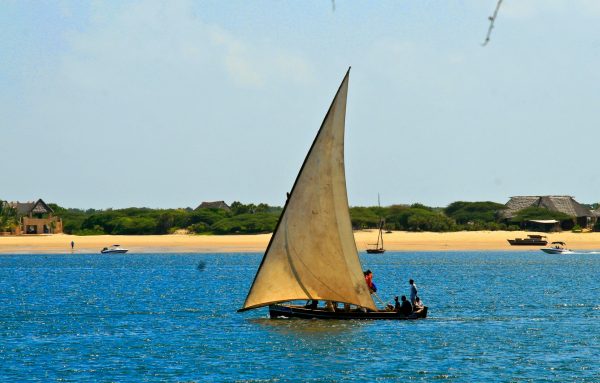
Marvelling at sunset from a dhow cruise is one of the best things to do on Lamu Island. The golden light over the Indian Ocean is unforgettable and perfect for anyone looking to unwind.
Day 6 – Lamu Beach and Island Life
Shela Beach
This is a long stretch of soft white sand backed by dunes and palm trees. It feels untouched and peaceful compared to more developed coastal areas. You can swim, stroll along the shoreline, or relax under the sun.
Swahili Cooking Experience
Lamu’s cuisine blends African, Arab, and Indian influences. One of the most immersive adventures you can have on the island is taking a cooking class, which often includes visits to local markets and the preparation of dishes such as coconut curries and fresh seafood. It is a delicious way to connect with local culture.
Day 7 – Return to Nairobi and Departure
Nairobi Shopping and Cafés
Use your final day to explore Nairobi’s craft markets and cafés. Maasai Market is an ideal spot to buy beautiful items, including unique souvenirs you can only find in Africa, such as intricate beadwork, wood carvings, and traditional fabrics. Enjoy one last Kenyan coffee before heading to the airport.
Other Bucket List Worthy Destinations in Kenya
A one-week itinerary in Kenya guarantees a fantastic snapshot, but the country has far more to explore. If you extend your trip or plan a return visit, these destinations deserve a place on your bucket list.
Maasai Mara National Reserve
This is Kenya’s most famous safari destination, and for a good reason. The Maasai Mara offers wide-open savannah landscapes teeming with wildlife year-round. Between July and October, the Great Migration brings over 1.5 million wildebeest and zebras crossing from Tanzania. Even outside migration season, sightings of lions, cheetahs, and elephants are frequent, making it one of Africa’s most reliable wildlife destinations.
Amboseli National Park
Amboseli’s picture-perfect views of Mount Kilimanjaro, large herds of elephants roaming freely, and impressive photographic opportunities make it one of the best places to visit in Kenya. The park’s wetlands attract birds and other wildlife, creating a unique ecosystem that feels very different from Kenya’s northern reserves.
Lake Nakuru National Park
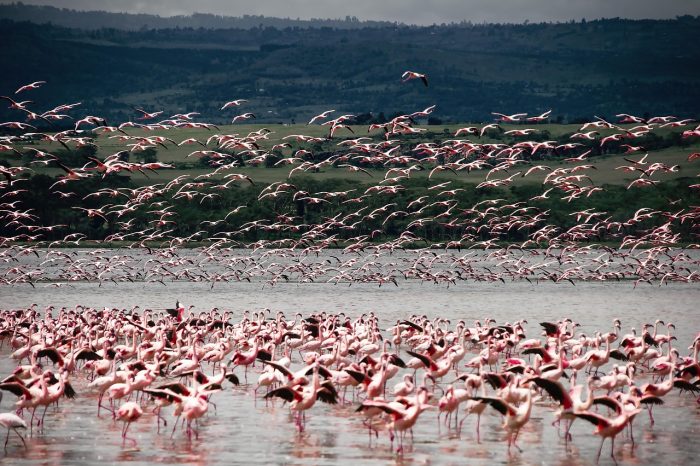
Lake Nakuru is famous for the over 2 million flamingos that gather along its shores, turning the lake into a vibrant pink. The park is also a rhino sanctuary and one of the best places in Kenya to see both black and white rhinos. Scenic viewpoints overlook the lake and surrounding escarpments, making it a beautiful and accessible safari destination.
Related post: This is How Much a Kenya Safari Costs in 2026
Hell’s Gate National Park
This park offers a very different safari experience, as you can explore it on foot or by bicycle. It offers striking scenery, with towering cliffs, dramatic gorges, and geothermal features such as hot springs and steam vents. It is perfect for active travellers seeking adventure beyond game drives.
Tsavo National Parks
Tsavo East and Tsavo West together form one of the largest protected wilderness areas in Africa. One of the things the park is best known for is its red elephants that dust themselves with iron-rich soil. The lava flows, volcanic hills, and remote landscapes make Tsavo feel wild and untamed. It is ideal for travellers who want fewer crowds and a sense of true wilderness.
Diani Beach
Diani Beach is Kenya’s most famous coastal escape, known for powder white sand and turquoise waters. Palm-lined shores stretch for miles, and you can indulge in snorkelling, diving, and dolphin spotting experiences. Compared to Lamu’s quiet atmosphere, Diani is livelier, with beach resorts, restaurants, and water sports, making it perfect for vacationers seeking a classic beach holiday.
Best Time to Visit Kenya
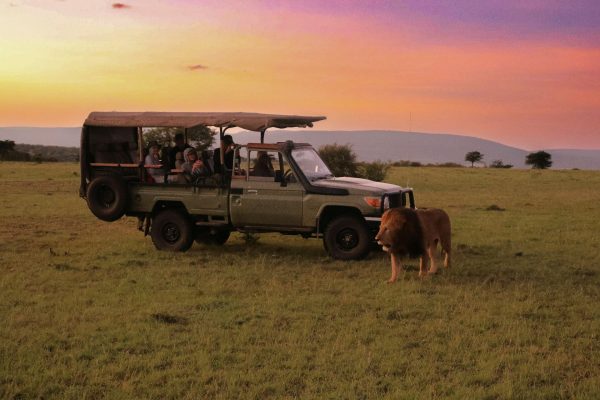
Kenya is a year-round destination, but seasons affect wildlife viewing and travel conditions.
The dry seasons, from June to October and from January to February, are ideal for safaris. Vegetation is thinner, and animals gather around water sources, making them easier to spot. These months also offer sunny weather and cooler evenings.
The rainy seasons from March to May and November bring lush landscapes and fewer tourists. While game viewing can be more challenging, this period is excellent for bird watching and photography. Travel costs are often lower, and parks feel quieter.
This 7-day Kenya itinerary offers a balanced introduction to the country. You experience city life, mountain landscapes, off-the-beaten-path safari, vibrant culture, and coastal charm in one trip. It barely scratches the surface of what Kenya offers, but it gives first-time visitors a meaningful and unforgettable taste of the country.
Frequently Asked Questions
How many days should I spend in Kenya?
7-10 days in Kenya allows you to enjoy a well-rounded trip. You’ll have time to experience major safari destinations like the Maasai Mara or Amboseli, soak in the charm of Nairobi, and possibly unwind along the coast in places such as Diani or Watamu.
Is 7 days enough in Kenya?
Yes, seven days is enough to experience Kenya’s highlights. Nairobi is the starting point for many Kenyan adventures, whether you plan to head to the Maasai Mara, Amboseli, or Lake Nakuru. While it won’t cover everything, it offers the perfect introduction to the country’s scenic landscapes and diverse wildlife.
How much does a 7-day trip to Kenya cost?
A 7-day trip to Kenya can cost $1,500 to $5,000+ or more per person, depending on your travel preferences. Budget travellers can spend less by staying in basic lodges and taking shared safaris, but luxury safari packages with private guides, high-end lodges or camps, and flights between parks will cost significantly more.
What are the dos and don’ts in Kenya?
Respect local customs, be polite when greeting people, and follow park rules during safaris. Dress modestly in towns and ask permission before photographing people. Avoid displaying valuables openly, feeding wildlife, or leaving designated paths in national parks, as this can harm animals and damage fragile ecosystems.
What is the cheapest time to visit Kenya?
The cheapest time to visit Kenya is during the long rainy season from April to June, when there are fewer crowds and lower accommodation rates. While some roads may be muddy, landscapes are lush, and you can still enjoy wildlife viewing at a much lower cost.