

Last Updated on July 7, 2026
When a Kenya safari comes to mind, we often picture vast savannahs dotted with acacia trees and herds of wildebeest stretching to the horizon. The Maasai Mara has become the icon of this dream, attracting visitors from different parts of the world. But Kenya’s wilderness is incredibly diverse, and there’s much more to explore beyond its ‘number one safari destination.’
Tucked away in the country’s eastern reaches lies Meru National Park, a unique adventure spot, where rivers meander through thick green forests, palms sway along riverbanks, and wildlife roams freely in near solitude. The park offers a raw, remote, and uncrowded experience, perfect for tourists willing to go beyond the famous parks. If you enjoy off-the-beaten-path travel, Meru guarantees one of East Africa’s most authentic safari experiences.
Meru Is Kenya’s Most Underrated National Park
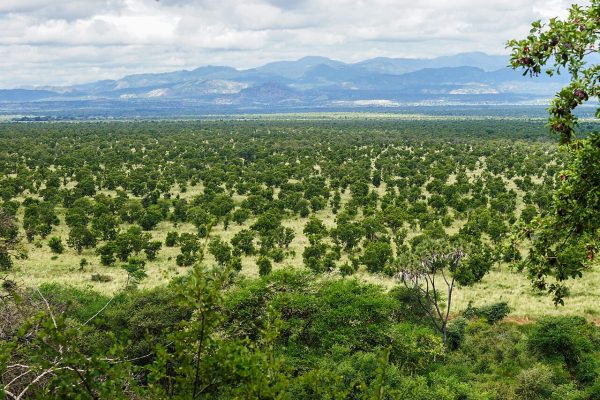
Despite its size, biodiversity, and conservation success stories, Meru is one of Kenya’s least-travelled national parks.
Most international tourists follow the classic safari circuit: Nairobi → Maasai Mara → Amboseli → sometimes Tsavo. Since Meru is outside the loop, it requires extra travel planning and time. And because of that, it welcomes just a fraction of the Maasai Mara or Amboseli’s visitors.
The park’s low visitation has nothing to do with its quality; it actually offers beautiful scenery and multiple experiences. The low traffic is due to the park’s visibility and accessibility.
Maru National Park has always faced challenges, particularly in the 1980s and 1990s, due to heavy poaching, which significantly reduced wildlife populations and damaged the park’s reputation.
Thanks to major conservation and restoration efforts led by the Kenya Wildlife Service, the park is once again a thriving wildlife sanctuary.
Today, Meru has fully recovered, yet many vacationers still don’t know that it exists and is bucket-list-worthy. That’s what makes it the most underrated national park in Kenya.
But this is good news to anyone who would enjoy:
- Game drives without queues of safari vehicles
- More natural animal behaviour
- A deeper sense of wilderness and exclusivity
Also Read: This is How Much a Kenya Safari Costs in 2026
Why Meru National Park is a Bucket List Destination
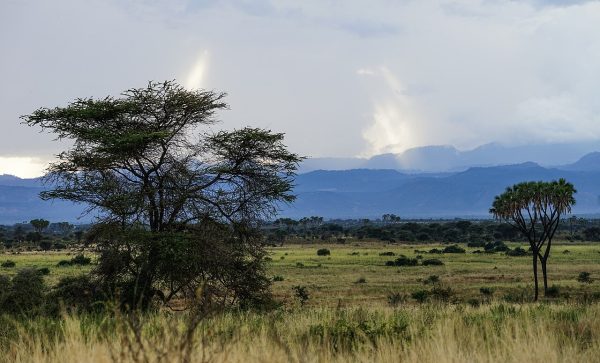
Yes, the Maasai Mara is widely known to offer the classic African safari, but an adventure through Meru is more cinematic and immersive. Here’s why:
The Park’s Landscape Feels Like the “African Jungle”
The jungle truly comes alive in this overlooked national park. Unlike the open plains of the Maasai Mara, Meru’s terrain is more varied. It’s defined by 13 permanent rivers flowing from the slopes of Mount Kenya (See our guide on hiking Mount Kenya), along with multiple mountain-fed streams. Together, these water sources create dense riverine forests loaded with Doum palm, fig trees, tall grasses, and acacia woodlands.
This results in a vibrant ‘jungle’ scenery, with some places feeling closer to a tropical landscape. You’ll also encounter open grasslands, swamps, and rocky outcrops.
The park’s diversity means a unique safari adventure that’s constantly changing, with every hour in the park feeling different.
Exceptional Wildlife Density Without the Crowds
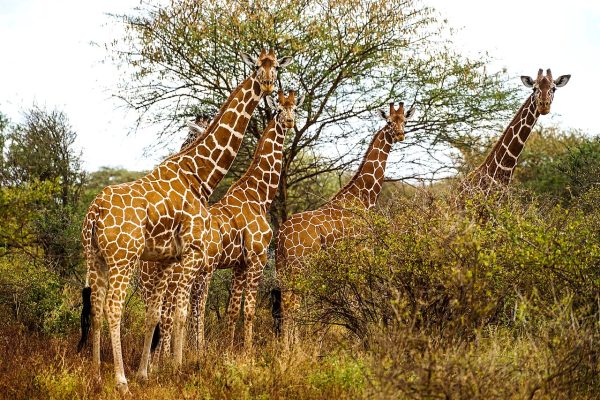
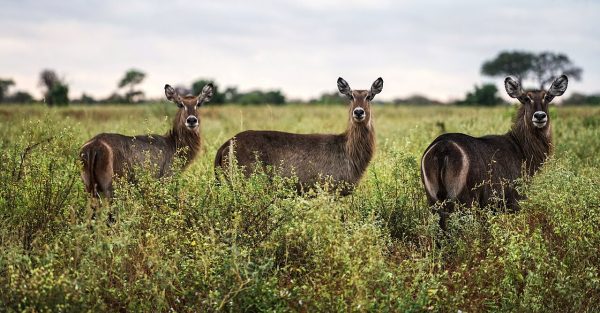
The Big Five and an incredible range of species, including the reticulated giraffes and Grevy’s zebra, among the endemic species of Northern Kenya, call this park home.
And because of the low visitation, animals behave naturally. You can easily see elephants majestically crossing rivers or lions resting in the shade without another vehicle in sight.
The Touching Story of Elsa the Lioness
Part of what makes Meru National Park special is its remarkable conservation history, particularly the story of Elsa the lioness, made famous by Joy Adamson’s best-selling book Born Free. In the 1950s, George Adamson, then a game warden, shot a lioness in self-defence and discovered her orphaned cubs. He and his wife, Joy, raised Elsa along with her two sisters, who were just days old.
Unlike traditional approaches, the Adamsons later reintroduced Elsa into the wild, an effort that helped reshape global attitudes toward wildlife conservation and ethical tourism. Their work remains one of the most influential conservation stories in Africa.
If you visit Meru, you can still see:
- Elsa’s grave
- Adamson’s Falls
- Sites connected to their conservation legacy
What makes Meru stand out from other safari parks
Many of the best things to do in Kenya revolve around wildlife encounters, and many of the country’s parks are perfect destinations for them. But few can match Meru’s sense of exploration.
The park feels vast and untamed, with long stretches of wilderness; you may not see another vehicle for hours as you drive through it. With roads winding through thick vegetation, river crossings, and open plains, each game drive feels like a discovery.
And like we’ve already discussed, Meru National Park stands out for its incredible conservation stories. It’s actually a part of a larger conservation ecosystem that includes Kora National Park, Bisanadi National Reserve, and Rahole National Reserve. Together, these parks form one of East Africa’s largest protected wilderness areas.
Because of this, animals roam freely across huge territories, which is increasingly rare in modern safari hotspots.
The Rhino Sanctuary: another conservation success story
One of Meru’s most stand-out achievements is its 14.67 square-mile fenced rhino sanctuary.
After rhinos in the region were nearly wiped out due to poaching, both black and white rhinos were reintroduced under strict protection, thanks to the incredible work of conservation teams. Today, the sanctuary is one of the best places in Kenya to see rhinos in a natural environment. conservation comeback, uniquely showcasing the power of sustained protection in restoring ecosystems.
Best Things to Do in Meru National Park
Being incredibly vast and diverse, there are so many things to do in Kenya’s most underrated national park. Game drives in are impressively varied and immersive. You can spend days exploring different habitats and still discover new areas.
Top experiences include:
- Full-day and half-day game drives
- Visiting Elsa’s grave and Adamson’s Falls
- Rhino sanctuary visits
- Exploring river ecosystems and swamps
- Sundowners overlooking the wilderness
- And with over 400 species, it’s a premier birdwatching destination in Kenya.
Note: Because of the park’s vast size, longer stays are much more rewarding.
Best Time to Visit Meru National Park
Meru is a year-round wildlife destination, but each season offers a different safari experience.
Dry Seasons (June–October, December–March)
This is the best time for wildlife viewing in Meru. Vegetation is thin, and animals always gather around rivers and waterholes to quench their thirst. This makes sightings easier and more frequent.
The Rainy Seasons (April–June, November)
The rainfall transforms it into a lush paradise, with rivers swelling, landscapes turning vibrant green, and birdlife becoming spectacular. Some roads can be muddy, and wildlife spotting may not be as impressive as during the dry season. The scenery is breathtaking, and visitor numbers drop even further.
How to Get There
To get to Meru National Park, you’ll need to drive 6–7 hours from Nairobi. The drive is incredibly scenic, as you meander through central Kenya’s farmlands and rural landscapes, making the journey part of the adventure.
If you want quicker access, you can fly to nearby airstrips instead of driving.
Since it’s outside the safari circuit, Meru is often combined with northern Kenya trips, such as Samburu, one of the most underrated safari destinations, or longer safari trips.
Why Meru Deserves a Spot on Your Safari Itinerary
If you love a blend of unique wildlife encounters, history, conservation, and untamed landscapes, Meru should be included in your 7-day Kenya itinerary. The park is a rare African travel experience, combining space, solitude, and authenticity.
If you are looking for a quieter, more immersive safari experience, Meru is not just underrated; it’s unforgettable.