
Last Updated on July 7, 2026
Africa’s wildlife is magical. Think of the majestic giraffes and fearsome predators, like lions, roaming the vast savannah. It’s why safaris are so popular. But behind the beauty lies danger, and we aren’t just referring to the most powerful creatures in the wild. From tiny insects to massive wildlife, here are ten of Africa’s most dangerous animals.
1. Mosquito
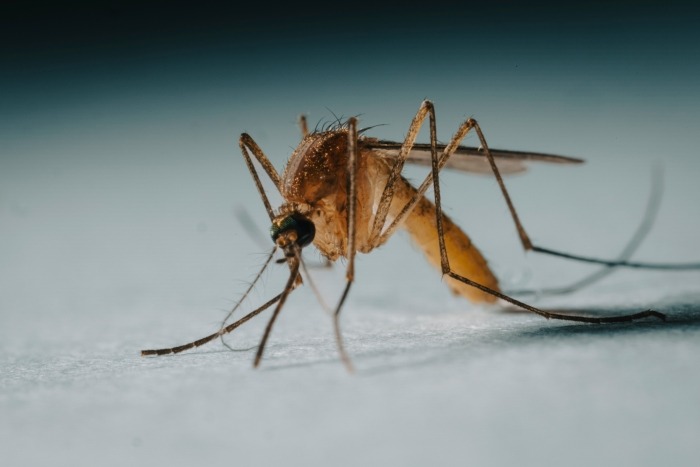
Mosquitoes are incredibly tiny, only measuring a few millimeters. But don’t underestimate the insect; it’s the most lethal, causing more deaths than any other predator. They are carriers of malaria, a disease that has brought serious concerns in the continent’s public system.
Sub-Saharan Africa is the most affected region. But that shouldn’t scare you away from exploring Africa’s raw beauty. There are many preventative measures to keep you from mosquito bites, including sleeping under treated nets and using repellents.
2. Hippopotamus
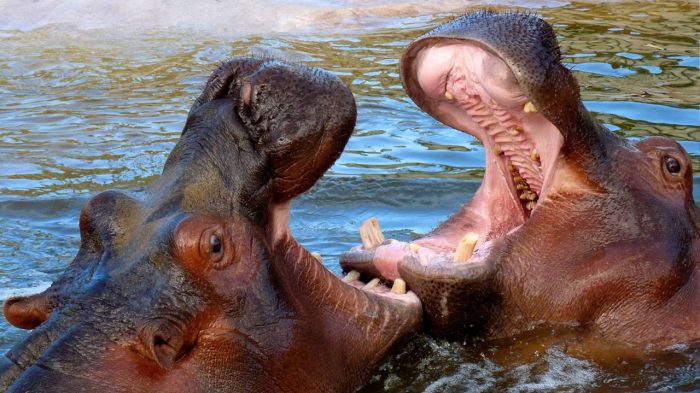
It’s easy to admire hippos from afar as they majestically graze near the rivers. But make no mistake; they are some of Africa’s lethal creatures in the wild. So, stay away! They are famous for being territorial, attacking boats, and anyone who disturbs their peace with horrifying speeds (up to 48 km/h), despite being incredibly massive, weighing over 3,000 pounds. They possess massive jaws that crush bones, making them more dangerous than lions.
3. Nile Crocodile
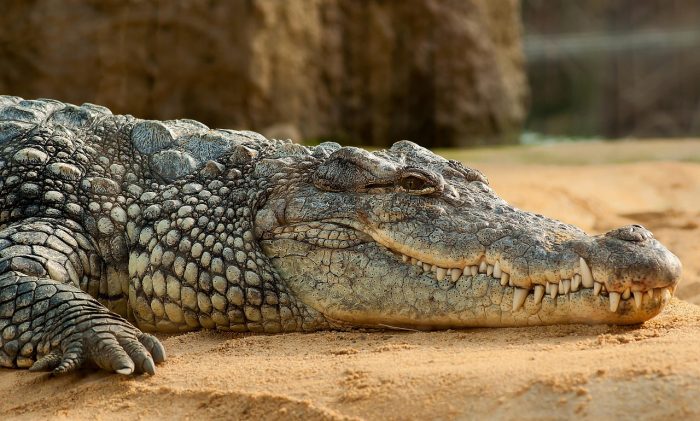
Nile crocodiles are known to be silent hunters. They can weigh over 1,500 pounds and measure up to 16 feet in length. Famous for lurking under water surfaces, they ambush and catch their prey at lightning speed. Their bites are some of the strongest, causing hundreds of thousands of attacks on humans annually.
Related post: Kenya Vs Tanzania: Which is Better for Safari?
4. African Elephant
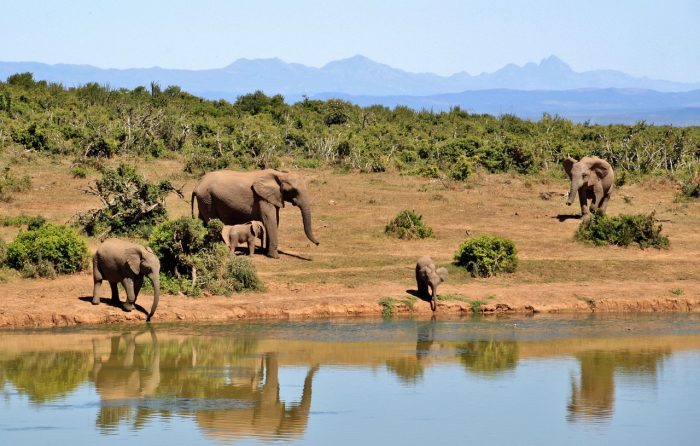
Celebrated for their giant size, elephants weigh up to 14,000 pounds and can grow up to 13 feet tall. They might seem harmless, but they can turn aggressively dangerous if threatened. Mothers protecting their young ones are very unpredictable. When provoked, elephants cause terror and destruction, including trampling safari vehicles. So, while soaking in the beauty of an African safari, be mindful of these creatures.
5. Cape Buffalo
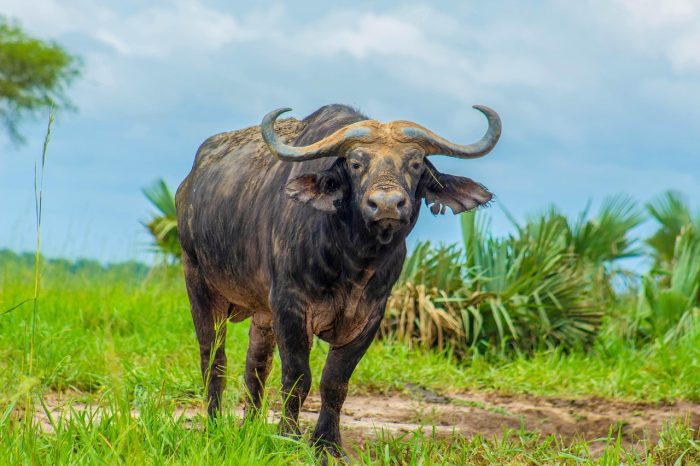
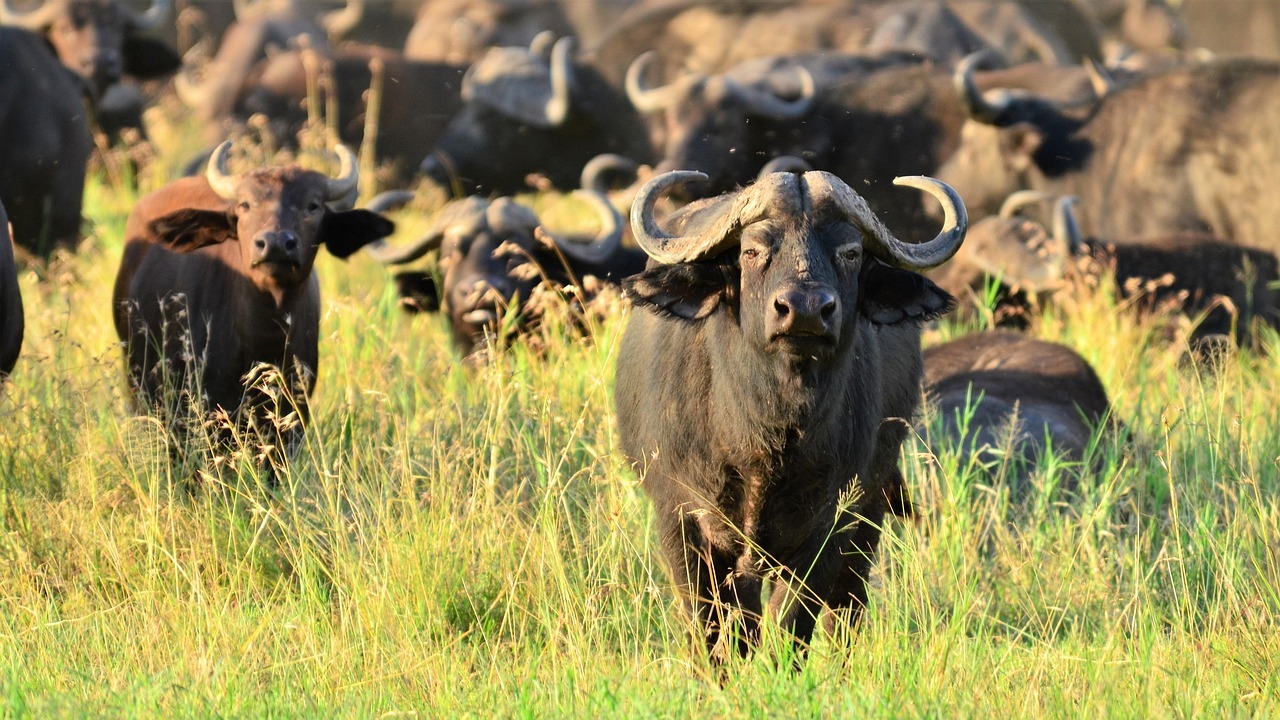
Sometimes referred to as “Black Death,” Cape buffalo are among Africa’s most dangerous animals. Like elephants, they are quite unpredictable; you may not see the attack coming. They are also famous for being very protective of their herd. Their tremendous strength and adaptive features, like sharp horns, make them incredibly lethal, claiming the lives of more hunters than lions do. This has earned them the reputation of being among the most fearsome predators across the savannah plains.
6. Lion
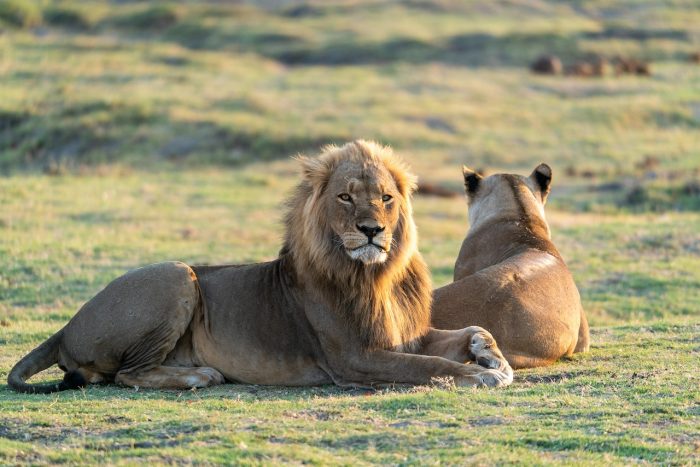
Lions are the apex predators in Africa. This means they are the highest in the food chain, making their role pivotal in the ecosystem. Lions are very powerful and often prey on animals larger than themselves. While attacks on humans are less likely to occur, they do, especially in villages too close to habitats. Recognized for their sharp claws and tendency to hunt in packs, they are among the most terrifying creatures in the wild.
7. Black Mamba
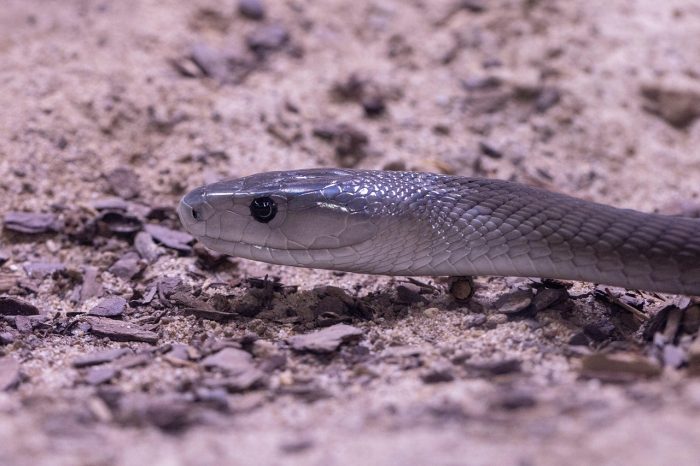
The black mamba is the most dangerous snake on the continent. It’s the fastest snake in the world, with speeds of up to 20km/h. It’s also one of the most venomous snakes, and it kills within hours if not treated. Their length can measure up to 14 feet, and while they are called “black” mamba, they aren’t actually black. They come in either olive or brown.
Related post: 7 Most Underrated Safari Destinations
8. Puff Adder
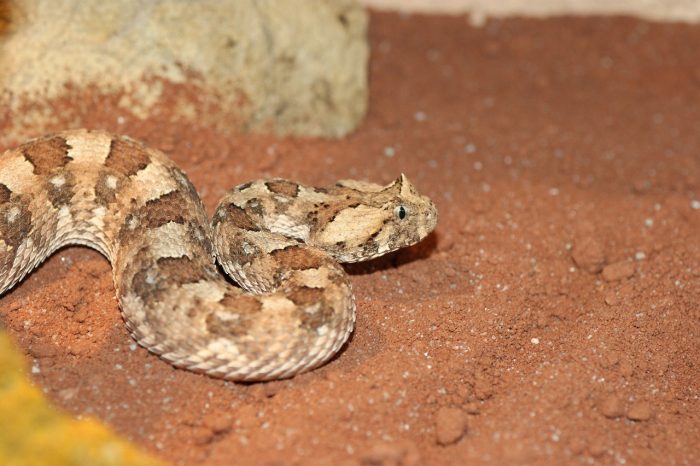
Puff Adder is one of the biggest threats to human life. It’s known to camouflage, and unlike the fast-moving snake species, it stays down, biting those who accidentally step on it. It possesses a potent venom, which severely damages tissues in humans. Without immediate, proper medical attention, it can cause death.
9. Hyena
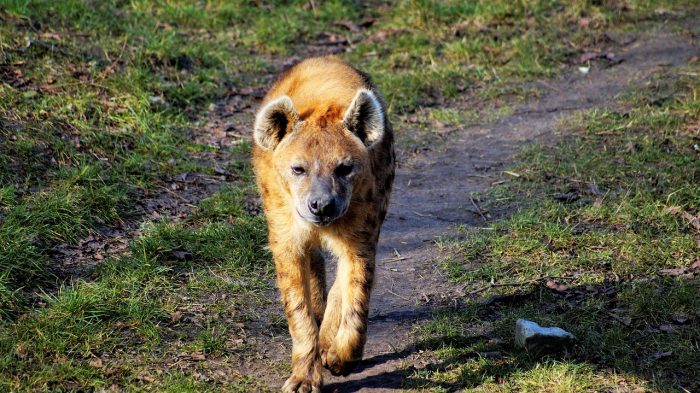
Hyenas’ might is often underrated. These scavengers are incredibly skilled and deadly. Their bites are tremendously powerful. They can exert more than 1,100 PSI to crack and navigate to the nutritious marrow bones. Often hunting in packs, these creatures can catch and take down some of the largest prey in the wild, including the wildebeests. They have raided villages, taken down livestock, and sometimes, humans.
10. Tsetse Fly
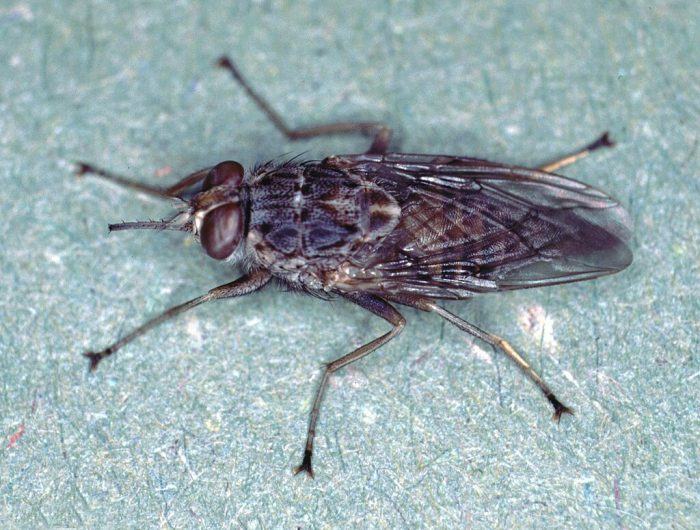
A tse tse fly lying on a surface. Photo credit: Alan R Walker/Wikimedia Commons
The tsetse fly is very tiny, but make no mistake – it’s among Africa’s most dangerous animals. It’s a renowned carrier of the African trypanosomes, which transmit sleeping sickness. The disease, which is found in sub-Saharan Africa, has symptoms ranging from confusion to drowsiness. Left untreated, it causes death. Thanks to the affected region’s dedicated public health campaigns, cases have reduced. But it’s still a major concern and continues to pose danger in rural communities in some African nations.
Conclusion
Africa’s wildlife is as powerful as it is captivating, and these encounters are a reminder that nature demands both respect and awareness. From the silent threat of the Mosquito to the raw strength of the African Elephant, each species plays a vital role in the ecosystem while carrying its own risks. Understanding their behavior is not about fear, but about coexistence. With the right knowledge and guidance, experiencing Africa’s wild beauty becomes not only safe but deeply rewarding, creating unforgettable moments that stay with you long after the journey ends.