

Last Updated on July 7, 2026
For many holidaymakers, Nairobi is simply a stopover before heading to the top Kenya safari destinations. But after living here for more than five years, I’ve come to see the city differently. Beyond the traffic and its bustling nature, it’s home to fascinating green spaces, remarkable conversation experiences, unmatched culture, and endless opportunities for anyone interested in intentional travel. From scenic nature strolls through urban forests to supporting local businesses and indulging in ethical wildlife adventures, there are many things to do there as an eco-conscious traveller. Here’s how to travel sustainably in Nairobi.
The Status of Eco-Tourism in Nairobi
Nairobi is rapidly growing into an eco-travel hub. This is evident in the capital’s notable efforts in addressing pollution and overtourism through data-informed actions. It’s also actively promoting eco-certifications for both hotels and tour companies. Over 100 tour operators have adopted sustainable supply chain practices.
Additionally, rehabilitation projects like Uhuru Park, which are aimed at increasing the number of green spaces, showcase the city’s emphasis on sustainable tourism. So, the next time you are exploring sustainable travel destinations in Africa, remember to include Nairobi on your bucket list. There are many amazing places worth your time.
Related post: 11 Hidden Safari Hotspots in Kenya
Eco-Friendly Accommodation in Nairobi
There are many eco-friendly hotels and tented camps in Nairobi, designed to ensure energy efficiency, reduce waste, and support the local community. Some of the top options include:
Wildebeest Eco Camp
One of the best tented camps in Nairobi, Wildebeest is loved for its tranquil atmosphere and lush 3.5-acre landscaped gardens. Some of its sustainable features include solar-powered water heating and electricity for tents, as well as eco-conscious waste management. It offers a ‘home away from home’ feeling, thanks to its scenic location in the leafy Karen suburb, allowing guests to enjoy a lower-impact experience compared to the more city-centric hotels.
Tip: Karen is one of Nairobi’s greener and quieter suburbs, so staying there often makes it easier to combine nature experiences like Karura Forest, the Giraffe Centre, and Nairobi National Park in one trip.
Tribe Hotel Nairobi
Located on Mughwango Hill overlooking the beautiful Meru plains, Tribe is probably Nairobi’s coolest hotel. It prioritises sustainability, as seen in its solar energy initiatives, electric vehicle transfers, and 100% refillable bathroom amenities. Its green surroundings and easy access to some of the best things to do in Nairobi, including the Village Market, which is directly adjacent, add to its charm. Additionally, the peaceful Karura Forest and Gigiri Forest, perfect for walking, are only a few minutes away.
Radisson Blu Hotel & Residence, Nairobi Arboretum
Green Key certified, Radisson Blu Hotel & Residence, Nairobi Arboretum, is among the best eco-stays in Nairobi. Some of its notable sustainable practices include the use of energy-efficient systems, green cleaning products, and water-conservation measures. Plus, its location, adjacent to the Nairobi Arboretum, offers a ‘green’ environment.
Giraffe Manor
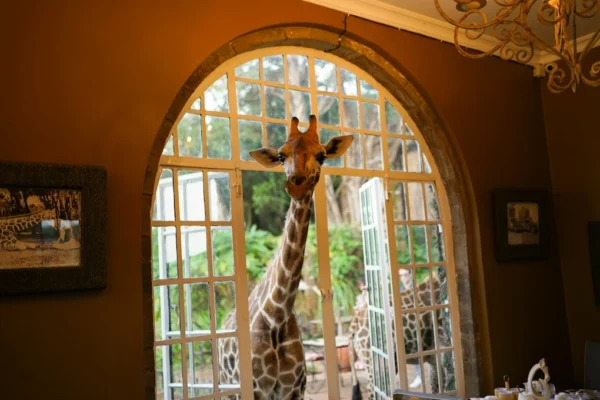
One of the most unique hotels in the world, Giraffe Manor, stands out for being one of the few places where you can have breakfast with giraffes. Owned by the Safari Collections, it’s popular for Rothschild’s giraffes that poke their heads through the windows in the morning, hoping to get some treats. This experience is reserved for overnight guests and offers a highly intimate encounter with wildlife.
The hotel uses solar energy, harvests rainwater, and uses reverse osmosis to produce water, which avoids plastic bottles.
The combination of peaceful surroundings, exclusive giraffe experience, and green initiatives makes staying at Giraffe Manor one of the best sustainable things to do in Nairobi.
Note: The giraffe interactions at Giraffe Manor are reserved for overnight guests, so booking early is important, especially during peak travel seasons.
Ethical Wildlife Experiences
If you are wondering how to travel sustainably in Nairobi, ethical wildlife experiences are an excellent way. And there are many incredible destinations you can consider adding to your bucket list.
David Sheldrick Wildlife Trust
One of the best wildlife experiences you can have in Nairobi is visiting the David Sheldrick Wildlife Trust Elephant Orphanage. Known for rescuing and rehabilitating orphaned elephants and rhinos and returning them to the wild, it’s an extraordinary safari experience for an eco-conscious traveller. The elephants can be seen between 11 am and 12 pm when they emerge from the forest for their daily mud bath and milk feeding. Within the hour, you can enjoy interacting with the baby elephants and listening to the senior keepers introduce each elephant and explain how they were rescued.
Tip: Arriving early is recommended since visitor numbers are limited and the elephant viewing session only takes an hour.
Giraffe Centre
Giraffe Centre is among the most ethical destinations in Nairobi, serving as a vital conservation sanctuary for the endangered Rothschild’s Giraffe. The African Fund for Endangered Wildlife (AFEW) operates and funds the centre’s activities, mostly through tourism revenue.
The giraffes, which are currently 12, are a part of the organisation’s breeding program, which has increased the giraffe population from below 100 in the 1970s to over 2000, with many successfully reintroduced to protected areas. The highlight of a visit to the Giraffe Centre is feeding the giraffes from a raised platform.
Nairobi National Park
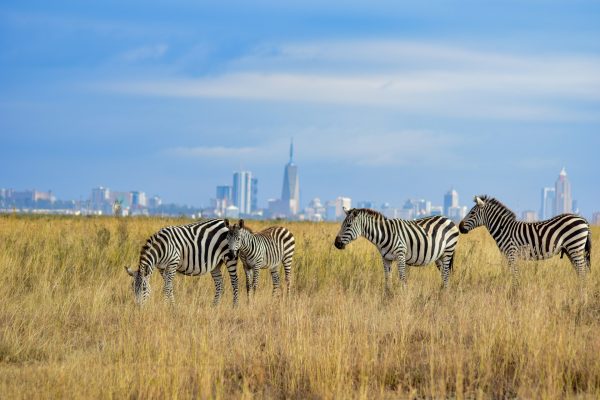
Nairobi National Park is worth visiting for many reasons, from its unique features to its ease of access to its incredible wildlife variety and stunning scenery. It’s the only national park in a capital city, offering a mix of wetlands, savannah, and beautiful forest habitats just minutes from the airport and various hotels within the city.
While it faces threats from rapid urbanisation, it remains a green destination, thanks to its successful rhino conservation and environmental initiatives, including anti-poaching efforts, tree-planting programs, and local education. Apart from white and the endangered black rhinos, the park is home to giraffes, buffalo, lions, zebras, and more than 400 bird species.
Nature and Green Spaces
Karura Forest
One of the cheap places to visit in Nairobi, Karura Forest, is only about a 15-minute drive from the CBD. It’s popular for its scenic, recreational, and serene atmosphere, making it the perfect escape from Nairobi’s bustling nature. It’s loved for its incredible diversity with monkeys, butterflies, and more than 260 bird species.
It’s also home to indigenous tree species, which they are planting more of to replace the exotic ones. There are many fun things to do there, including hiking to a waterfall, caving, birdwatching, and cycling.
Related post: Nairobi’s #1 Hidden Gem: Why Karura Forest is Worth Visiting
Nairobi Arboretum
Being a biodiversity-rich sanctuary with more than 350 tree species, 100 bird species, and educational programs, this is one of the most sustainable places to visit in Nairobi. There are many experiences to have there, including exploring the well-maintained trails, picnicking, and birdwatching.
Uhuru Park
Recently rehabilitated to restore its green spaces and public appeal, Uhuru Park is one of Nairobi’s most accessible sustainable attractions. Beyond offering a peaceful escape within the CBD, the park promotes low-impact recreation through walking, relaxation, and community gatherings while contributing to the city’s growing urban conservation efforts.
Rich Cultural Adventures
Touring Nairobi sustainably involves enjoying rich cultural encounters by discovering the local traditions, arts, and history. A visit to Bomas of Kenya, where you’ll enjoy music, traditional dances, and a peek into the homestead of Kenya’s various tribes, is a must-do. Consider adding the Nairobi National Museum to learn about Kenya’s rich history and culture, and the Karen Blixen Museum to learn about Kenya’s colonial past.
Don’t forget to add Community-led tours through Kibera, shopping at Kazuri Beads Factory to support sustainable livelihoods, and purchasing some unique souvenirs at the Maasai Market to your itinerary.
Note: Choosing locally led community tours helps ensure tourism benefits residents directly while offering visitors a more respectful and informative cultural experience.
Sustainable Dining in Nairobi
One of the top eco-friendly things to do in Nairobi is dining at the city’s vegetarian and vegan restaurants, which serve incredibly delicious meals while prioritising green practices. Whether you want to try local dishes or international flavours, you can enjoy food made with locally-sourced ingredients, while being environmentally-friendly. Some of the top sustainable restaurants in Nairobi include:
- Cultiva Kenya: Located in Loresho, this is a leading farm-to-table dining spot with a delicious seasonal menu.
- Bridges Organic Restaurant: This premier organic dining spot features an extensive menu with delicious vegan, vegetarian, and gluten-free options.
- Jiko Restaurant: Located within Tribe Hotel, Jiko offers a seasonal menu of organic eats and is also known for its green operations, including replacing plastic straws to reduce waste.
Related post: Become a Respectful Traveler With These 8 Tips
Get Around Nairobi Sustainably

Nairobi’s public transportation is becoming more eco-friendly, with private companies like Roam and Basigo operating electric buses that allow a quieter, smoother ride across multiple locations with zero tailpipe emissions. If you are passionate about sustainability, riding electric buses is one of the best ways to reduce your environmental footprint.
Roam Rapid’s buses travel between the CBD and Limuru via Waiyaki Way, and stop at all the stages along the route to pick up and drop off passengers. So, whether you are interested in enjoying a relaxed shopping in Mountain View or soaking in Westlands’ vibrant mix of cultures, mouth-watering dining spots, and lively shopping scene, you can do that sustainably.
Using an electric motorbike via apps like CatchMoto, opting for a commuter train, cycling, and exploring Nairobi’s attractions on foot are other excellent ways to get around sustainably.
Conclusion
Learning how to travel sustainably in Nairobi goes beyond choosing eco-friendly stays. It’s about supporting conservation, embracing local culture, and making more thoughtful travel choices that leave a positive impact while allowing you to experience the city more meaningfully.
Frquently Asked Questions
How can I travel sustainably in Nairobi?
Choose eco-conscious places to stay, support local restaurants and artisans, visit green spaces responsibly, reduce plastic waste, and choose wildlife experiences that support conservation or education.
What are the best eco-friendly things to do in Nairobi?
Visit Karura Forest, explore Nairobi National Park, eat at sustainable restaurants, support local makers, take community-led tours, and choose conservation-focused wildlife experiences like Giraffe Centre or Sheldrick Wildlife Trust.
Where can I eat sustainably in Nairobi?
Nairobi has farm-to-table restaurants, organic dining spots, vegetarian-friendly cafés, and hotel restaurants that use local ingredients or support greener operations. Look for places with clear sourcing, seasonal menus, or waste-reduction efforts.
Are there sustainable places to stay in Nairobi?
Yes. Nairobi has eco-conscious hotels, boutique stays, and camps that support responsible tourism through energy-saving practices, local sourcing, waste reduction, conservation work, or community partnerships.
How can I visit wildlife attractions responsibly in Nairobi?
Follow visitor rules, avoid disturbing animals, book ahead where required, and choose places that support conservation, rescue, education, or habitat protection instead of attractions built around forced animal interaction.