

Last Updated on July 7, 2026
Maasai Mara National Reserve has always been considered the #1 destination for a classic Kenya safari, but some of the most rewarding wildlife experiences lie far from the spotlight. Beyond the familiar routes, there are hidden parks and reserves where quieter, more intimate encounters await. From the lush wilderness of Meru National Park to the remote beauty of Chyulu Hills National Park, these lesser-travelled places offer a unique kind of adventure. If you’re looking to experience some of Africa’s most wonderful creatures without crowds, here are the top 10 hidden safari hotspots in Kenya, which reveal a side of the country many travellers never get to see.
Meru National Park
Meru, Kenya’s most underrated safari destination, offers a lush wilderness known as the setting for “Born Free”, which is ideal for viewing lions and elephants without crowds. It stands out for its diverse and unique ecosystems, with 13 permanent rivers, dense riverine forests, doum palm groves, spectacular volcanic hills, and more. There are many things to do in Meru National Park, from game drives to guided walks to birdwatching and learning about the touching story of Elsa the Lioness from Born Free.
- Best time to visit: January to February and June through October for the best wildlife viewing opportunities.
- Top attractions: Rhino Sanctuary, Elsa the Lioness’ gravesite, Adamson’s Falls.
Tip: Visit early in the morning or late afternoon, when wildlife is most active, and be prepared for long drives between sightings. Meru National Park is vast and less crowded, so patience and a knowledgeable guide can make all the difference.
Related post: How Much Does a Kenya Safari Cost in 2026?
Ol Pejeta Conservancy
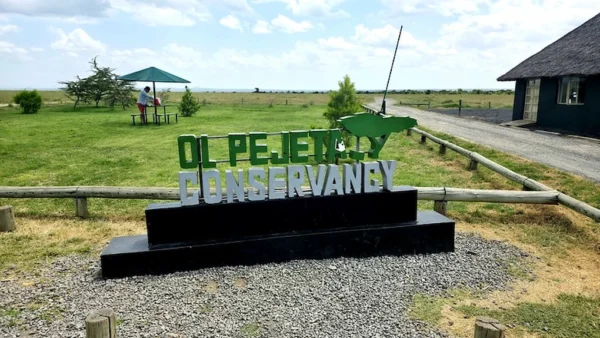
One of the top Maasai Mara alternatives in Kenya, Ol Pejeta is East Africa’s largest black rhino sanctuary and also hosts the world’s last two northern white rhinos. It’s home to all members of the Big Five, with one of Kenya’s highest predator densities. It also features a chimpanzee sanctuary, the only place to see the chimps in the country. Beyond the usual game drives, Ol Pejeta Conservancy offers guided bush walks, lion-tracking, night drives, and camel treks.
- Best time to visit: July through October, and January & February offer optimal wildlife spotting.
- Top attractions: The Northern White Rhinos, Chimpanzee Sanctuary, the Big Five, and Mount Kenya views.
Mugie Conservancy
Covering over 50,000 acres, Mugie is a private conservancy known for its strong conservation efforts and unique species, including African wild dogs, rare black leopards, and Grevy’s zebras.
It’s special for its low visitation and eco-friendly nature, which is why it should be among the top sustainable travel destinations in Africa. You can spend your nights in the area’s high-end, eco-conscious accommodation options, such as Governor’s Mugie House.
Some of the best things to do in Mugie Conservancy include the classic game drives, camel treks, lion tracking, kayaking with elephants, bush walks, and night drives.
- Best time to visit: July through October and January & February for best viewing accessibility
- Top attractions: the 9-hole golf course, Mugie Dam for kayaking, and Ekorian’s Mugie Camp
Tip: Plan your logistics in advance for your visit to Mugie Conservancy. It’s a remote conservancy with limited nearby services, so fuel, cash, and timing your transfers matter more than you might expect.
Shimba Hills National Reserve
Volsicky/Wikimedia Commons
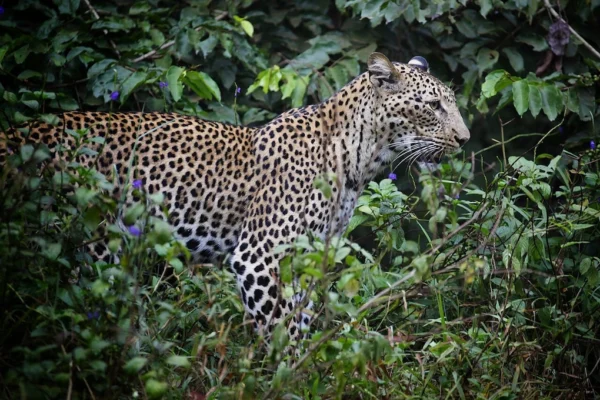
Located near Diani Beach, Shimba National Reserve is among the best hidden safari hotspots in Kenya. The coastal forest is the only place in Kenya where you can see the rare sable antelope. Also, it hosts buffalo, leopards, giraffes, and a high density of elephants, best spotted in the Marere Circuit area. It’s a birdwatcher’s haven, with over 100 species, including Fitcher’s turaco and numerous sunbirds.
One of the top activities in the park is taking a 45-60-minute guided hike to Sheldrick Falls, where you can marvel at the stunning scenery and swim in the pool below.
- Best time to visit: July to September and January & February
- Top attractions: The rare Sable antelope, Shedrick Falls, and high elephant density
Related post: The Ultimate African Safari Guide: Destinations and Tips for 2026
Ruma National Park
You might just experience your best African safari in Ruma National Park near Lake Victoria. It is the only protected area in Kenya to see the rare roan antelope. You’ll also spot other wild creatures, such as oribi, Rothschild’s giraffes, and black rhinos. Besides, more than 400 bird species, including the rare blue swallow, also call this place home.
The park’s scenery is incredibly unique, diverse, and undiscovered, featuring rolling savannah, riverine woodland, and acacia thickets. The dramatic Kanyamwa Escarpment, recognised for its rugged terrain, cliffs, and sweeping views, is a defining feature of the park.
You can indulge in game drives, guided safari walks, and cycling. This is one of the top places for an off-the-beaten-path Kenya safari.
- Best time to visit: June through October and January & February
- Top attractions: Roan antelope sanctuary, the Oruchu Ridge, and game drives
Samburu National Reserve & Shaba Reserve
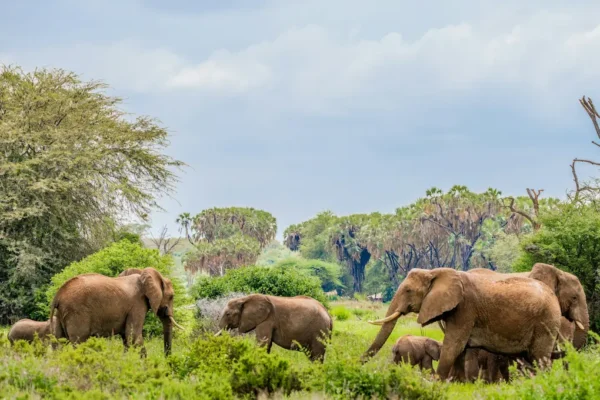
Located in the arid north, these reserves are home to the “Samburu Special Five”: reticulated giraffe, Grevy’s zebra, Somali ostrich, Gerenuk, and Beisa oryx. Samburu, one of the most underrated safari destinations, stands out for its rich cultural experiences, the scenic Ewaso Ng’iro River, and unique wildlife spotting opportunities. It’s also a premier birdwatching spot, with over 450 bird species.
Adjacent to Samburu is Shaba National Reserve, also unique for its rare wildlife species and intimate, crowd-free safari adventures. It features dramatic volcanic landscapes and also guarantees an immersive cultural encounter with the local Samburu people.
Together, these two parks form one of the best Kenya safari destinations that you should definitely consider including in your 7-day Kenya itinerary.
- Best time to visit: June to September and January & February
- Top attractions: the endemic species of Northern Kenya, Ewaso Ng’iro River, Samburu cultural visits, and Shaba Hill Volcano.
Tip: Enjoy a close-up and personal experience of Samburu National Reserve, departing from Nairobi, with a stop at Shaba National Reserve on this 3-day private safari.
Related post: Cultural Safari in Africa: 9 Authentic Experiences For Your 2026 Vacation
Aberdare National Park
Known for its misty, high-altitude volcanic landscapes, Aberdare National Park is among the hidden safari hotspots in Kenya. It offers many incredible experiences, from exceptional birdwatching with more than 290 species to unique creatures like black leopards and forest elephants. It also features breathtaking waterfalls, such as Karuru and Chania Falls, and unique tree-lodge accommodations, such as Treetops, where Princess Elizabeth became Queen in 1952.
You can engage in many activities, including trout fishing, challenging hikes, photographic safaris, and more.
- Best time to visit: June to September and January & February for good road conditions and better viewing experience.
- Top attractions: The historic Treetops Lodge, Karuru and Gura Waterfalls, wildlife, and Mau Mau Caves
Chyulu Hills National Park
@paul_mutua 📍 Chyulu Hills
♬ original sound – ️Paul🇰🇪
A young volcanic landscape featuring lush green hills, lava caves, and stunning views of Kilimanjaro, Chyulu Hills National Park is among the hidden safari gems in Kenya. It enjoys a scenic location between Tsavo and Amboseli National Parks, with plenty of unique outdoor activities, including horseback riding, mountain biking, and hiking in the scenic wilderness.
You’ll also have fun in the lavish eco-lodges, such as the Ol Donyo Lodge and Campi ya Kanzi, where total privacy and unique stays in the skybeds make your trip unforgettable.
- Best time to visit: June to October and January to February for the best game viewing
- Top attractions: Chyulu Hills, Kisula Caves, and wildlife viewing
Saiwa Swamp National Park
At just three square kilometres, Saiwa Swamp National Park is the country’s smallest national park. It’s not the place for the Big Cat sightings, but you’re guaranteed unforgettable memories here. The park is home to the endangered semi-aquatic sitatunga antelope, as well as the rare De Brazza’s monkey, which thrives in the dense riverine forests. Despite its incredibly small size, Saiwa Swamp is a birdwatcher’s haven, with more than 372 bird species calling it home, including the African Black Duck and the Grey Crowned Crane.
Unlike the big parks you are used to, this is a pedestrian-only safari destination, allowing you to take in the views from elevated wooden boardwalks as well as marked dirt trails. Whether scanning for the sitatungas or just marvelling at the beauty of the swampy landscape, a trip to this park won’t disappoint.
- Best time to visit: January & February and June to October
- Top attractions: Sitatunga antelope, De Brazza’s Monkey
Note: Visit early and wear comfortable walking shoes, especially after rain. The boardwalks are easy to follow, but patience and binoculars make the quiet wetland experience more rewarding.
Lake Bogoria National Reserve

While not considered a classic Kenya safari destination, Lake Bogoria is a perfect place to be if your goal is to enjoy an off-the-beaten-path adventure. It isn’t your typical wildlife park; you won’t see any of the Big Five here, but it stands out for its massive flocks of lesser flamingos, along with more than 350 bird species. Beyond that, you’ll have fun exploring the park’s geothermal features, from geysers and hot springs to mud pots and dramatic Rift Valley landscapes.
- Best time to visit: August through October is the best time to spot flamingoes
- Top attractions: the Siracho Escarpment, the Greater Kudu, the Loburu Hot Springs, and the Chepkoiyo Springs
Conclusion
The hidden safari hotspots prove that the most memorable experiences aren’t always found in the most famous places. From the misty highlands of Aberdare National Park to the lush green hills of Chyulu Hills National Park, each location offers something rare and rewarding. For travellers seeking to explore further, these parks offer a more authentic, unforgettable safari experience.