
Last Updated on April 21, 2026
The world of travel is rapidly evolving, with an increasing number of vacationers seeking more meaningful experiences than ever. From slow travel to digital detox retreats, there has been a major shift in holidaymakers’ preferences.
Ecotourism, which emphasises minimising one’s environmental impact, has revolutionised how we explore the world. Vacationers love the immersive nature of it; the opportunities to fully soak in the local culture, engage in nature-based activities, and help conserve the natural habitats. And Africa is making progress through tremendous efforts in countries such as Botswana, Kenya, and Mozambique. Discover the top 7 sustainable travel destinations in Africa.
Okavango Delta, Botswana
Botswana is widely regarded as a premier safari destination in Africa, particularly for luxury experiences. It’s a world-class ecotourism destination, as evidenced by its commitment to conserving environmental and cultural heritage.
Approximately 37% of the country’s land is designated as protected areas, serving as national parks, game reserves, wildlife sanctuaries, and other conservation areas. One eco-friendly spot to add to your bucket list is the Okavango Delta, renowned for its diverse wildlife.
It offers a range of low-impact activities, including guided safaris, walking tours, and opportunities for in-depth cultural immersion. There are also numerous green accommodation options in the region, ranging from luxury eco-lodges to camps.
Related post: The Ultimate African Safari Guide: Destinations and Tips for 2026
Gorongosa National Park, Mozambique

Gorongosa National Park is special for its rich biodiversity, which includes unique fauna and flora, with some species you won’t find elsewhere on Earth. Its scenery is a mix of lush forests, savannah, wetlands, and more.
Like Rwanda’s Akagera National Park, it has one of the most successful conservation stories, particularly in wildlife restoration. Its wildlife population has increased to over 100,000 from a few thousand.
The park’s tourism revenue is directly allocated to conservation efforts, funding initiatives such as anti-poaching measures and ecosystem restoration.
When you visit, you can choose to stay in eco-lodges or local camps, helping you be responsible as you explore the area.
Maasai Mara Conservancies, Kenya
Kenya offers many unforgettable experiences, including the wild adventures in the Maasai Mara National Reserve, Africa’s premier safari destination. Maasai Mara conservancies are locally owned, particularly on the park’s edges, which are leased to tour companies that privately manage them.
They are among the top sustainable travel destinations in Africa, supporting ecotourism by generating income for local communities and promoting community development. They also ensure conservation by limiting the number of lodges and visitors, thereby allowing private, immersive wildlife experiences.
Travellers enjoy a range of unique safari adventures, including night game drives, off-road driving, and walking tours.
Bwindi Impenetrable Forest, Uganda
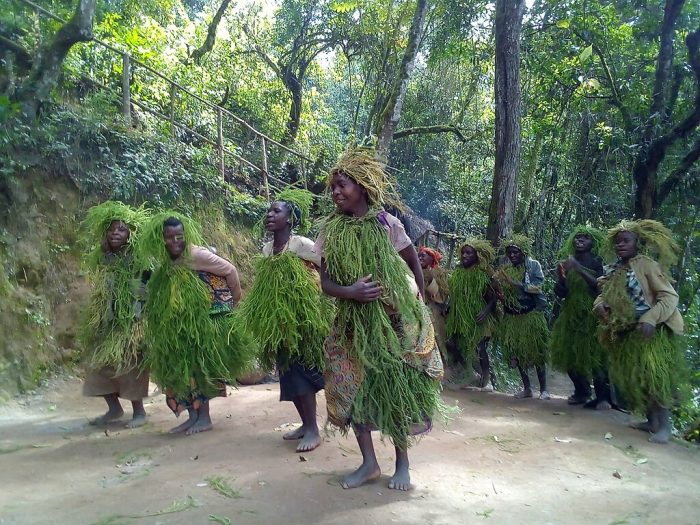
Nestled in the southwestern reaches of Uganda, Bwindi Impenetrable Forest is renowned for housing over half of the world’s remaining mountain gorillas. A UNESCO World Heritage Site, it’s home to more than 350 bird species and various animals, including chimpanzees, forest elephants, and more.
The forest’s strict visitation measures, which include limited permits for gorilla trekking, make it one of Africa’s green travel destinations you shouldn’t miss.
Revenue from tourism supports conservation efforts. Meanwhile, the locals benefit from job opportunities, such as being tour guides.
The forest also contributes to the preservation of the Batwas’ cultural heritage through reforestation, among other initiatives.
Related post: Luxury Africa Travel Finds a New Star in Rwanda’s Ultra-Exclusive Retreat
Loisaba Conservancy, Kenya
Spanning 58,000 acres, Loisaba Conservancy is renowned for its diverse wildlife, including giraffes, elephants, and African wild dogs.
The conservancy was established to conserve its rich wildlife, promote ecotourism in Africa, and contribute to community development. Because of it, the local Maasai communities can safely coexist with the animals and earn a living.
Game drives, horseback riding, bush breakfasts, camel riding, and fishing are some of the things to do in Loisaba. To see Loisaba’s science-led conservation efforts, join their field teams as they study, monitor, and track the behaviors of various creatures, including black rhinos and lions.
Accommodation in this conservancy will make you fall in love with the place. You can choose to stay in the Loisaba Tented Camp, where you’ll wake up with a gorgeous view of Mount Kenya, a premier hiking spot. You can also opt for a unique experience, sleeping under the night sky on a Starbed. Either way, you’ll create unforgettable memories.
Sossusvlei, Namibia
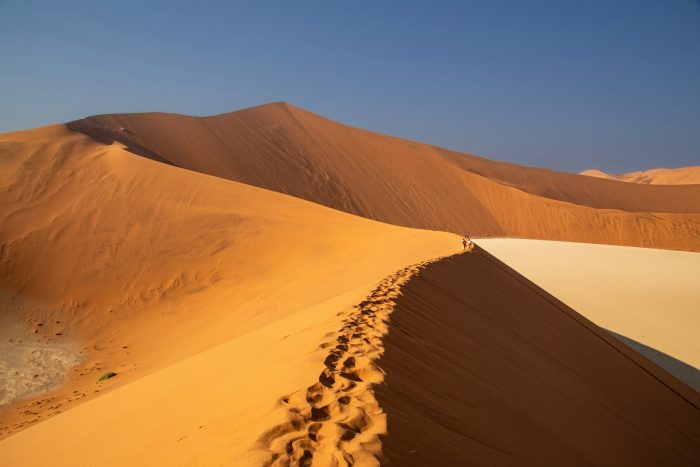
Namibia’s Sossusvlei is among the best sustainable travel destinations in Africa. Recognised for having some of the highest and oldest dunes in the world, it’s an incredibly photogenic spot, located within Namib-Naukluft National Park. Deadvlei, one of Africa’s most unusual natural phenomena, and Dune 45 are some of the most notable attractions.
There are plenty of green experiences you’ll enjoy there, including an unforgettable stay at Sossusvlei Desert Lodge. The desert landscape’s skies offer some of the best stargazing opportunities in Namibia, and you can marvel at the beautiful view in the presence of a resident astronomer at the on-site observatory.
Engage in eco-friendly activities, such as game drives, hiking the dunes, scenic desert strolls, and hot-air ballooning.
Hwange National Park, Zimbabwe
Hwange National Park is one of the top ecotourism destinations in Africa, thanks to its notable sustainability efforts. It’s home to a large elephant population and also promotes the conservation of wildlife species, such as wild dogs, through organizations like Painted Dog Conservation.
The park supports the well-being of the locals through employment opportunities, cultural trips, educational programs, and more.
Other ecotourism practices include supporting eco-lodges and facilitating responsible safari adventures among travellers.
Lake Malawi National Park
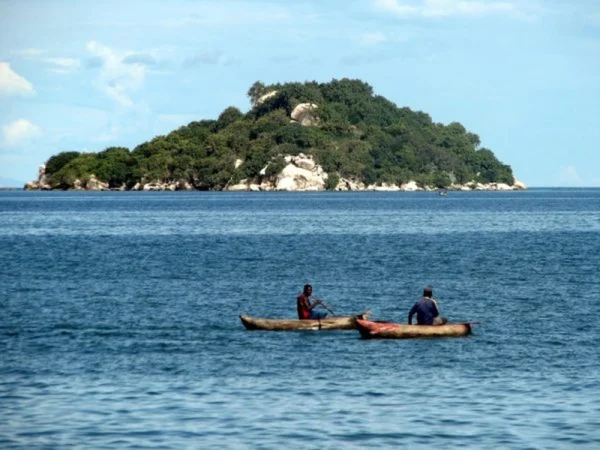
Lake Malawi has always been an exceptional wonderland where you can enjoy a mix of clear waters, colourful fish, and a tropical haven with all sorts of water sports. A UNESCO World Heritage Site, it’s considered one of the most beautiful places to visit in Africa at least once.
Known for its low-impact tourism, it’s a highly eco-friendly destination in Africa. Mumbo Island, an uninhabited island within the park, features dense vegetation and a camp accommodation, which is designed to be eco-friendly, thatched, and with wooden decks.
Chumbe Island, Tanzania
Chumbe Island is a tropical paradise off the coast of Zanzibar. It’s privately owned by Chumbe Island Coral Park Ltd (CHICOP), and offers one of the best sustainable travel destinations in Africa, with an award-winning eco-tourism model. It’s been a Marine Protected Area (MPA) since 1995, self-financed through its eco-lodge, which features 7 bungalows. There are many things to do there, from exploring the coral reef sanctuary to enjoying the traditional Zanzibar dishes.