
Last Updated on July 16, 2026
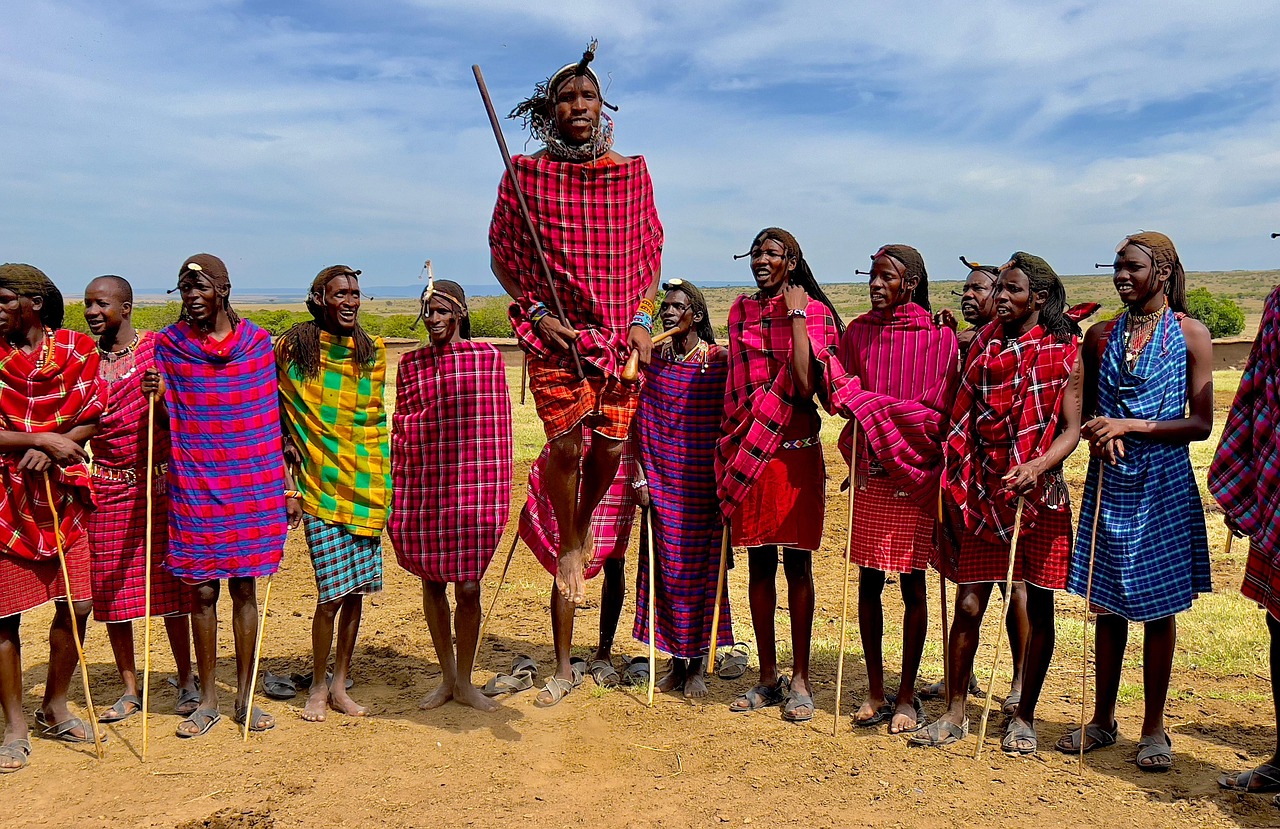
A Maasai village visit is one of the top African cultural safari experiences for tourists exploring Kenya or Tanzania. The rich culture, traditions, colourful clothing, and ways of life have captured the attention of people from across the world for many years, and remain bucket-list-worthy for many travellers. Thanks to the rapid growth in these visits, many practices have evolved within the tourism industry. While immersive and definitely worth your time, these tours can be intrusive and overly transactional. As a result, ethical Maasai village visits, which focus on respectful, more community-oriented cultural adventures, have been on the rise. We have gathered 7 helpful tips to help you understand what exploring a Maasai village responsibly means.
Choose a Responsible Tour Operator
When choosing a tour operator for your Tanzania or Kenya safari, ensure you are going for a responsible one. This is very important because some companies operate with exploitative tourist traps, often utilising the locals purely for financial gain. To avoid that, choose a certified operator with strong community ties with the Maasai people. Doing this ensures you are enjoying an authentic, respectful cultural experience, and that the community directly benefits from the money earned from your visit.
Tip: Before booking, ask how the village visit is arranged and how the community is paid. A responsible operator should be able to explain whether the fee goes directly to the village, supports a community project, or is included as part of the tour package.
Related post: How to Visit Maasai Mara Responsibly
Mind What You Wear for a Maasai Village Visit
Show respect to the Maasai culture by dressing modestly. Your clothes are better loose-fitting and should cover your knees and shoulders. You can opt for long trousers, ankle or knee-length skirts, and t-shirts or sleeved shirts. When it comes to accessories, keep it to a minimum. Flashy necklaces or bracelets aren’t ideal because they’d attract unnecessary attention. Dressing appropriately improves your cultural experience of the Maasai communities you visit.
Never Take a Photo or Record a Video Without Permission
Always practice photography etiquette when visiting a Maasai Village. Just pointing a camera or phone at a local and taking a shot or recording a video is intrusive and disrespectful. When you ask for consent, you help foster a genuine cultural connection with the villages you visit, which will in turn enhance your overall experience. Show pictures of the people after you take them.
If someone isn’t comfortable having their photos taken and says no, respect that and put your camera away. Also, be careful when taking photos of livestock. The cattle are the locals’ wealth and are sacred. So, don’t point your camera at livestock without asking first.
Note: Some locals may expect a small tip or agreed fee for photos, videos, dances, or demonstrations. Ask your guide what is appropriate before taking pictures.
Genuinely Engage with the Maasai
Genuinely engaging with the locals is key to exploring a Maasai village responsibly. Ensure you choose a local guide who can help you indulge in a real conversation with the people. Or you can opt for a separate translator. While enjoying watching them dance, talk about their daily lives, their customs and traditions, and cattle. Choose to speak less and listen more, allowing the Maasais to share their culture in their own words. This is how you create a beautiful and authentic experience.
Tip: Keep your questions respectful. It is fine to ask about culture, cattle, daily life, or traditions, but avoid pushing into private topics unless the person is clearly comfortable sharing.
Prioritise Staying in a Community-Owned Conservancy
Choosing to stay in a conservancy instead of a lodge is one of the best ways to ensure a responsible visit to the Maasai villages. Maasai Mara has some of Kenya’s best conservancies, including Naboisho, where you can be sure that your tourism spending directly benefits the locals by paying land leases and also funding important community projects, such as clean water, healthcare, and education. Since they have strict visitor limit rules, your Maasai village visits won’t be overcrowded, which ensures you enjoy an authentic experience of their culture without disrupting their daily lives and routines.
Related post: Maasai Mara Conservancies vs National Reserve: Which is Better for Your Safari?
Buy Souvenirs at a Fair Price
If you want to become a respectful traveller, show love and appreciation for Maasai culture by purchasing directly from the local, talented artisans. This allows you to directly contribute to the well-being of the local economy. When you are buying souvenirs, ensure you negotiate at a fair price. You can buy a wide range of products, from the world-famous colourful shukas to beadwork and intricate wooden carvings.
Give Your Tip Collectively
Maasais are known to be incredibly collective, with resources often shared among the entire community. So, when tipping them during your visit, it’s better to put your group’s tips into a single, collective fund and give it to the village elder. When the money is handed to an elder, everyone benefits. They can decide to put the money towards pressing community needs, such as water, healthcare, and schools. It also avoids begging – offering kids random gifts, whether it’s a few coins or sweets, teaches them to beg. By collective tipping, community dignity is maintained.
To conclude, cultural immersion adds depth to any African safari experience, but it should never feel exploitative. Exploring a Maasai village responsibly, whether visiting from Kenya or Tanzania, means visiting and interacting with respect. When done right, it can support the locals, protect the community’s dignity, and ensure future tourists enjoy meaningful cultural exchange with the Maasais.