
Last Updated on July 7, 2026
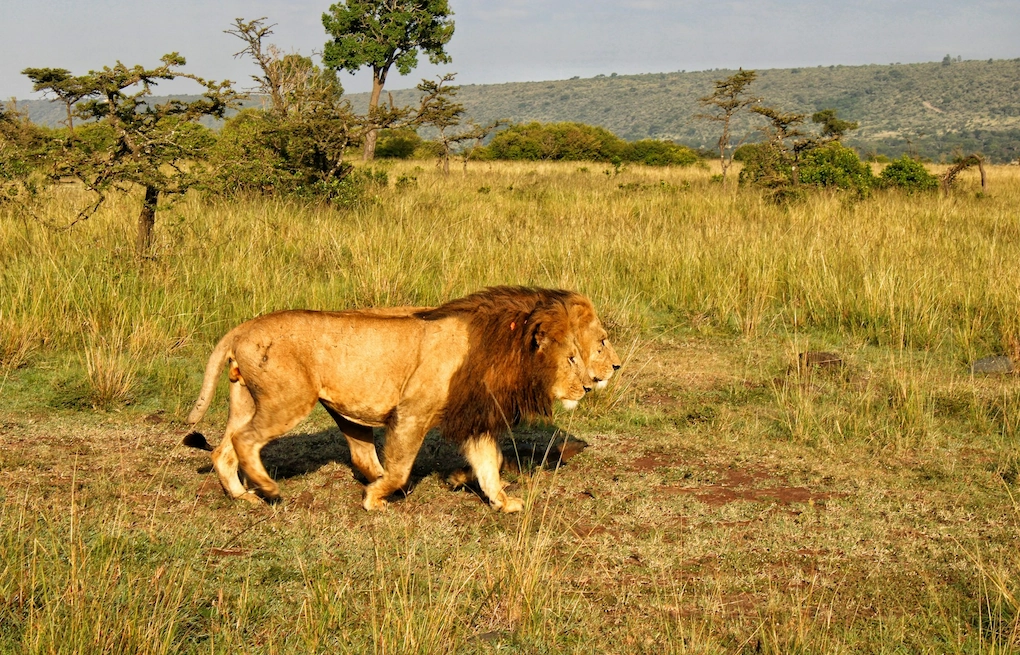
Maasai Mara, a portion of the greater Serengeti ecosystem, is one of the most astonishing wildife destinations in the world. Bordering the iconic Serengeti National Park, it’s among the most beautiful places to visit in Africa at least once and remains a highlight for any Kenya safari. The ‘Maasai Mara’ also refers to the wildlife conservancies, nestled along the park’s borders. Together, these spaces offer an impressive blend of the annual Great Migration, diverse wildlife, exceptional Big Five sightings, and the breathtaking savannah landscape, a dream come true for any safari lover. That’s why understanding Maasai Mara conservancies vs National Reserve matters before choosing where to stay, what to expect, and which safari style fits your trip best.
What is the Difference between Masai Mara Conservancy and Reserve?
Maasai Mara National Reserve, established in 1961, is government-managed. It’s open to the public as long as you pay the entrance fees and visit within its hours of operation. Since the Kenyan government administers the park, it sets rules and regulations that govern it and all other National Park systems.
On the other hand, wildlife conservancies are located on land owned by the local Maasais, enabling conservation while generating direct income for the local community. Maasai Mara has some of Kenya’s best conservancies, which are either community or privately managed.
Maasai Mara Conservancies vs National Reserve: Quick Comparison
| Metric | National Reserve | Conservancies |
|---|---|---|
| Safari atmosphere | Iconic, busy, and classic | Quieter, slower, and more private |
| Visitor numbers | It can be crowded in peak season | Usually lower-density |
| Wildlife sightings | Strong Big Five and migration appeal | Strong sightings with fewer vehicles |
| Migration access | Closer to the famous crossing areas | Depends on location and game-drive access |
| Activities | Day game drives and balloon safaris | May include night drives and guided walks |
| Budget range | More budget and mid-range choices | Often more exclusive and costly |
| Accommodation | Wide range of lodges and camps | Smaller camps and intimate stays |
| Travel impact | Supports reserve-based conservation | Often supports landowners and local communities |
Related post: How to Visit Maasai Mara Responsibly
How Many Conservancies are There in Maasai Mara?

The Greater Maasai Mara Ecosystem boasts 14 conservancies. Covering a total of 142,000 ha across the ecosystem, these conservancies host 25% of the country’s wildlife. These lands are owned by over 14,500 Maasai landowners.
The largest of the conservancies is Mara North, which covers approximately 74,000 acres of land owned by more than 800 Maasai locals. Mara Naboisho, whose name derives from the Maasai words meaning ‘coming together’, is the second-largest Maasai Mara Conservancy, covering 52,000 acres and home to over 636 landowners.
Mara Ol Kinyei was the first conservancy to be established in the Maasai Mara Ecosystem. Other notable conservancies include Olare Motorogi Conservancy (33,000 acres), Nashulai Conservancy (5,000 acres), and Ol Choro Oiroua Conservancy (17,000 acres).
How Your Safari Experience Changes Between the National Reserve and the Conservancies
Crowds and vehicle numbers
There’s no vehicle limit in Maasai Mara National Reserve, and since it attracts large crowds, wildlife viewing can be frustrating. During the peak migration season, you can see 20-40 safari vehicles surrounding a single wildlife sighting, and sometimes over 200 at one river crossing.
With conservancies, since they limit the number of vehicles and visitors, they guarantee a calmer safari rhythm. This allows travellers to enjoy more personal sightings.
Wildlife viewing experience
Both the reserve and the wildlife conservancies are a portion of the wider Mara ecosystem, which means impressive wildlife experiences in both spaces. However, the reserve’s safari scenes are definitely more dramatic. Conservancies’ wildlife viewing is a bit slower and quieter, which gives you room to take your time and observe animals’ behaviours.
The Great Migration
The Mara River crossings are usually the main highlight of the annual Great Migration, and there’s no better base for exceptional moments than the main reserve. Conservancies are still enjoyable during the migration season, but access to the crossing points depends on where you are staying and how your safari activities are organised.
Tip: If river crossings are your main reason for visiting, ask your safari operator exactly where your game drives will take place and how easy it is to reach the crossing points.
Related post: Is the Great Migration Always Dramatic? The Reality Most People Don’t Know
Safari activities
Maasai Mara National Reserve is known for the classic game drives, hot-air balloon safaris, and photography. With conservancies, you can enjoy unique experiences that aren’t available in the main reserve, including guided safari walks, night drives, and cultural visits.
Cost and value
Visiting the National Reserve is less expensive than visiting conservancies; it offers budget and mid-range Kenya safari options, especially around the gates. Conservancies are more expensive, but what you get in return – the fewer crowds, smaller camps, unique activities, and exclusive safari experience, make them worth the cost.
Accommodation
You’ll enjoy a diverse range of accommodation options in the main reserve, from simple camps to luxury lodges. Conservancies offer smaller, more intimate camps located in quieter settings, allowing you to enjoy a more connected feel of the surrounding wilderness.
Sustainability and Community Impact
Maasai Mara National Reserve is a protected area supported through the park entry fees. Tourism revenue is directed to various government wildlife conservation programs and to broader regional infrastructure. Community impact is more profound in wildlife conservancies, whose significant share of revenue is devoted to community development, supporting initiatives such as education and healthcare. Plus, since land is owned by local Maasai families, who directly benefit from the tourism model, the impact on locals is more direct than in the main reserve.
Note: Community benefit can vary from one conservancy or camp to another. Before booking, look for clear information on landowner payments, local employment, conservation work, or community projects.
Related post: What’s Wildlife Really Like When Maasai Mara Seems Quiet?
Maasai Mara Conservancies vs National Reserve: Which Safari Style Fits You?
For first-time safari goers
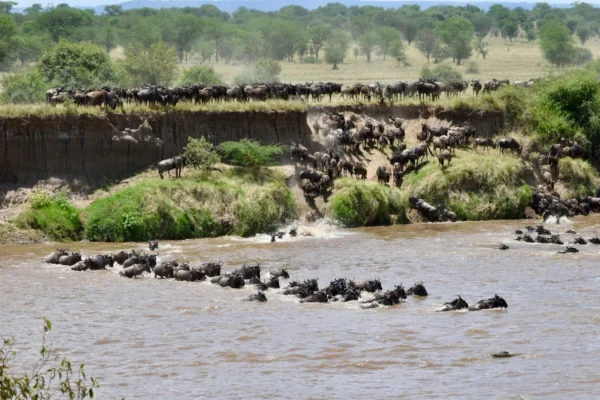
There’s no better place to start than the national reserve if you are visiting for the first time. It’s your ticket to an unforgettable classic African safari, with incredible big cat sightings, sweeping views of the wide open plains, and an unmatched Wildebeest Migration experience. Since it offers many accommodation options, planning will be simpler for you. However, if you hate crowds and you can stretch your budget for a quieter, more exclusive safari atmosphere, conservancies can be a rewarding place to start.
For honeymooners and luxury travellers
Thanks to their privacy, quieter, more intimate wildlife-viewing experiences, lavish camps, and exclusive safari vibes, conservancies are a better fit for luxury travellers and honeymooners. You are not only avoiding scrambling for sightings and waiting in long queues, but also enjoy extras, including sundowners and bush meals, which aren’t available in the main reserve.
For budget safaris
If you are hoping to experience a cheap Kenya safari, Maasai Mara National Reserve is the most suitable option. The park offers plenty of accommodation options, including primitive camp sites.
Tip: A great way to minimise your Maasai Mara safari costs is by booking group-joining safaris. Just check what is included first, especially park fees, meals, transport, game drives, group size, and accommodation quality.
For Families
The National Reserve is best for families looking for affordable trips or to witness the peak of the Great Migration. The fact that it offers open-road access also makes it logistically better, especially for a 3-day safari.
However, crowds, particularly around major big cat sightings, can be frustrating because your kids might have to wait in long vehicle queues.
Conservancies are an excellent option if you want a quiet, more immersive safari adventure. With visitor and vehicle numbers strictly controlled, you won’t have to deal with crowds. Additionally, some conservancies offer ranger programs and, as we’ve already mentioned, other experiences, such as bush walks, night drives, and off-roading.
Tip: If travelling with children, confirm age rules before booking. Some conservancy activities, especially walking safaris and night drives, may have minimum age requirements.
For photographers
Wildlife conservancies are usually a better option because they limit the number of vehicles at sightings, which means clean, uncrowded shots. Furthermore, unlike reserves, conservancies like Mara North allow off-road driving, offering opportunities for up-close views and a chance to spot big cats. However, if you want to capture the scenic view of the open plains and the dramatic wildlife moments during the Mara River crossings, the reserve is the better option.
Related post: Top 5 Maasai Mara Alternatives in Kenya
So, Should You Choose the Reserve or a Conservancy?
When comparing Maasai Mara conservancies vs National Reserve, the better choice depends on your safari style. Choose the reserve for classic Mara drama, migration access, and budget flexibility. Choose conservancies for quieter sightings, privacy, and stronger community impact. If possible, combine both for the most balanced experience.