

Last Updated on July 7, 2026
Touring comes with many benefits. You enjoy the world’s beauty, meet new people along the way, and learn about unique cultures. However, being a wanderer isn’t just about sightseeing and capturing memories – it comes with responsibilities. And no, we aren’t just talking about following the rules. Being respectful is one of the most crucial responsibilities of any vacationer. It means being mindful of your surroundings. This encompasses the local communities and the natural and cultural environments you visit. Become a respectful traveler to enjoy seamless experiences and positively impact the places you step into. These 8 brilliant tips will get you there.
1. Learning a Few Local Words Can Be a Game Changer
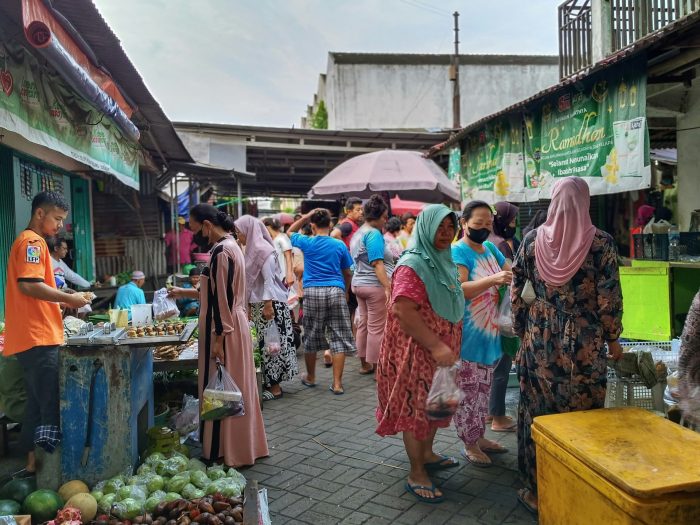
Communication will always be key in all kinds of interactions, including traveling. Familiarizing yourself with a few words in the local language can be a game-changer. It significantly alters the way people perceive and welcome you into their communities. Learning how to say standard greetings like “hello”, “thank you”, or “please” is a green light.
Even if there is a wide variation in how you term the words, locals always appreciate people who value their culture. Whether you are exploring the streets of Delhi for some of the healthy Indian street foods or discovering some of Kenya’s jaw-dropping experiences, learning a few local phrases is a great way to become a respectful traveler, and can easily transform a tourist into a warmly welcomed guest.
2. Adhere to the Local Norms, Especially the Dress Codes
If you thought clothing was just about fashion, think again! Think of it as a cultural mirror, keeping the local traditions and values alive. Modest dressing is a requirement in many destinations across the globe, particularly in the Middle East, North Africa, and some parts of India, especially when visiting religious sites.
Failing to adhere to the standard dress codes in such places means you are disrespectful to the local culture. The locals might perceive your dressing code as offensive, even when you weren’t intentional with your dressing. Always pack a decent dress and/or a lightweight scarf.
- Pro tip: Beyond clothing, some customs dictate eating habits. For instance, eating with your hand is acceptable in some areas but not so welcomed in others. Doing some research to learn the local norms and customs beforehand can be more helpful.
3. Become a Respectful Traveler By Being Patient and Flexibible
Cultural differences aren’t just about the norms and customs. It extends to time and flexibility. If you are from New York, you may find it challenging to adapt to a slower-paced lifestyle. Remember to practice patience and flexibility. What you may view as “slow service” is normal in certain places. Trying to rush things means you are disrupting the local rhythm and can lead to a negative experience.
Heading somewhere and the buses are running late? Or did you order a meal at a local restaurant and they are taking ‘forever’ to serve you? Try not to be frustrated when things aren’t as fast as you are used to. Why not use the extra time to soak in the beauty of your surroundings instead? Become a respectful traveler by learning to embrace the slower rhythm. Vacationing isn’t always just about sightseeing; it’s also about adjusting to new ways of life.
4. Learn Local Etiquette
There is a significant variation in etiquette globally. From hand gestures to greetings and eating habits, norms vary widely from culture to culture. Bowing means you’re being polite in Japan. In India, customs only allow eating with the right hand, as the left hand is viewed as impure and meant for other activities, like cleaning. Meanwhile, in the Middle East, the soles of your feet should be kept away, as it is considered disrespectful.
While you may not take these cultural concerns seriously, they can significantly impact your travel experience. Mastering the local etiquette shows you respect and appreciate the locals’ way of life. This increases the chance of a warm and friendly welcome in the communities you explore.
5. Mind Your Environmental Impact
Overtourism has ruined some of the world’s most famous destinations. Cities like Venice had to limit visitations by introducing measures like fees for day trippers. Meanwhile, the locals in Spain recently took to the streets demanding that tourists leave their home. Minding your environmental impact is one of the best ways you can become a respectful traveler. Normalizing bringing a reusable water bottle and a cloth shopping bag makes you less likely to litter the environment. Avoiding single-use plastic bags is the ultimate power move to minimize your footprint.
Don’t go off the marked trail if you are hiking. This reduces the chances of damaging the natural habitats. Always adhere to the “Leave No Trace” principles. Other travelers don’t need to find evidence that you were there. So, carving your name on the trees or packing shells to take back home as souvenirs means you are disrespecting nature. Take in the beauty and snap photographs, but leave the place as you found it (or better).
6. Don’t Just Take Photos of People Without Asking
Traveling to a new place can be overwhelming. And it’s easy to start snapping photos without thinking it may make some locals uncomfortable. Some might even find it rude, especially in the close-knit communities. So, before taking a picture of someone, ask for their consent. One sure way of doing this in most places is simply raising your phone or camera and waiting to see if they’ll nod. If they do, that’s a go-ahead.
Choosing to become a respectful traveler in this way can open doors for richer travel experiences. Why? Locals love it when they are nicely approached and will not only pose happily, but may also share interesting stories about their communities. The goal of exploring the world isn’t just about creating unforgettable memories. It’s also about connecting with the locals and other people you meet and interact with.
7. Spend Your Vacation Money on the Locals
There is no better way to spend your vacation money than on the locals. Supporting local businesses means giving back to the community. You can opt for a family-run guesthouse instead of booking a luxury room in a chain hotel. Similarly, you can eat at a local eatery rather than a fast-food outlet. This way, you keep the money within the communities you enter, directly contributing to their economies.
8. More Ways to Give Back to the Communities You Visit
Beyond supporting the local business, you can donate to local communities by donating to local initiatives. You can give back to the community in many ways. You don’t even have to get your finances involved. Volunteering in a local organization, sharing your skills with a few locals, or even telling your family and friends about your beautiful experience at a local guesthouse are simple yet responsible and impactful ways to become a respectful wanderer. Giving back to the community means you are not just enjoying the beauty of these places. It means you are a part of their growth and contribute to their sustainability efforts.
Conclusion
You don’t have to be perfect to become a respectful traveler. Familiarizing yourself with a few local phrases, respecting the cultures, norms, and etiquette, being patient and flexible, and giving back to the community create a lasting impact among the locals. Your travel experiences, including the places and the people you interact with, become parts of your story, and it’s up to you to make it a respectful one.