
Last Updated on July 7, 2026
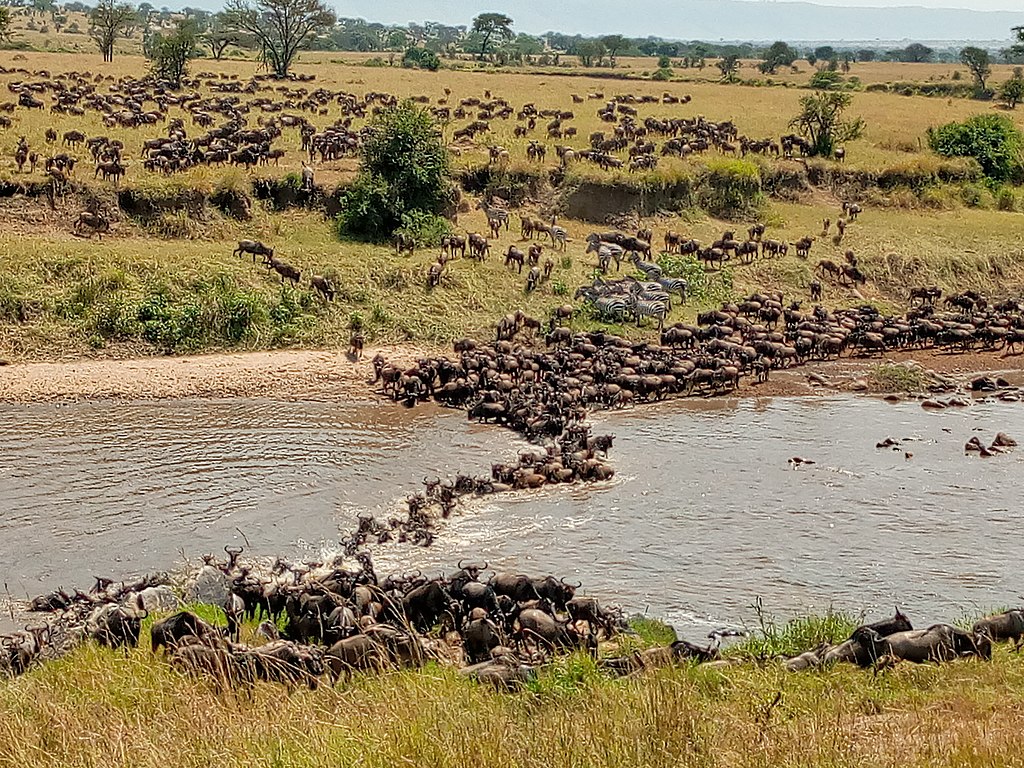
Planning an African safari in 2026? There’s no better time than now. With peak Great Migration season approaching, expect endless ‘wow’ wildlife moments in the Maasai Mara and Serengeti, immersive cultural experiences, unforgettable conservancy stays, and plenty of memorable safaris.
However, with numerous beautiful safari hotspots, including underrated destinations, with untamed landscapes, diverse and unique wildlife, and unmatched cultural adventures, it can be challenging to decide where to go and what to do.
That’s where we come in; this African safari guide breaks down everything you need to know into simple sections so you can easily choose destinations that suit you, based on your budget, safari activities of interest, and travel duration.
Why Africa Safaris Are Trending in 2026
The world of travel is rapidly evolving, with vacationers now seeking more than just wildlife experiences. They are more interested in meaningful adventures, which is why there has been a surge in sustainable travel in Africa.
Nature-based wellness and deep cultural immersion are increasingly popular, and thankfully, the vast open spaces, warm and welcoming locals, unbeatable wildlife encounters, and rich cultural vibes offer unique travel experiences.
What’s fueling the 2026 safari trend?
- More direct and indirect flight routes to East, Southern, and North Africa
- Numerous new lodges opening with more impressive features
- Easier visas and digital entry systems
- A shift toward more responsible travel, with a higher concentration of eco lodges and community-led tours.
- A shift in travellers’ preferences, as many opt for adventures over urban experiences.
Related post: 9 Best Places To Visit In Africa In 2026
Top Safari Destinations in Africa for 2026
Kenya: Classic Safaris and Beautiful Landscapes
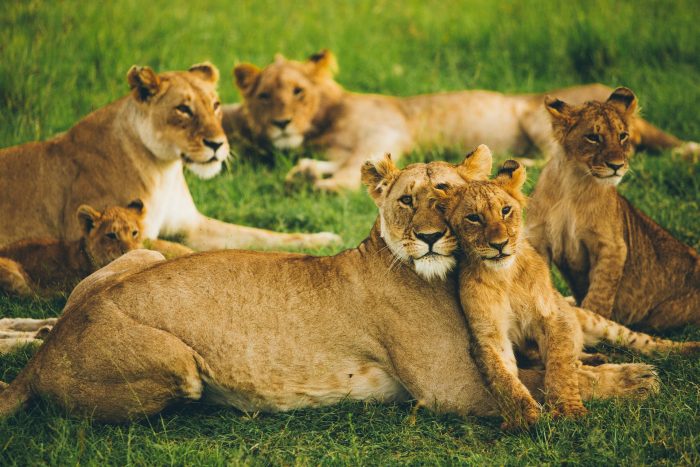
Kenya is widely recognized for its unforgettable experiences, uniquely blending wildlife, immersive cultural offerings, coastal getaways, and vast landscapes, along with numerous opportunities for outdoor recreation.
Where to Go for a Kenya Safari
Masai Mara National Reserve
Unmatched Big Cats encounters, the Great Migration (July–October), and balloon safaris
Amboseli National Park
Elephants with Mt. Kilimanjaro views
Samburu National Park
Off-the-beaten Kenya safari with unique wildlife, like the ‘Samburu Special Five’, which includes gerenuk and Grevy’s zebra
Tsavo East/West National Parks
Vast landscapes, fewer crowds, red‐dust elephants
Why Choose a Kenya Safari in 2026?
Plenty of accommodation options, including luxury eco-lodges and mid-range tented camps, with more launching across different parks.
Good infrastructure, from roads to air travel.
Strong focus on ecotourism with plenty of sustainable destinations offering green activities and cultural adventures.
Affordable safari experiences.
Tip: If you want to see more than the Masai Mara, this 5-day Kenya safari tour combines Masai Mara, Lake Nakuru, and Samburu, giving you big cats, rhinos, elephants, and northern Kenya wildlife in one trip.
Related post: 7-Day Kenya Itinerary: Safari, Culture, and Coastal Escapes
Tanzania: The Land of the Great Migration
Tanzania, being significantly larger than Kenya, offers true wilderness experiences, making it an ideal destination for those seeking solitude and seclusion.
Where to Go for a Tanzania Safari
Serengeti National Park
Incredible wildlife sightings, especially during the Wildebeest Migration.
Ngorongoro Crater
One of Africa’s best spots to see the Big Five, along with other animals thriving within a volcanic crater.
Tarangire National Park
Elephants, baobab trees, beautiful scenery.
Ruaha & Selous (Nyerere National Park)
Remote, wild, quieter safari experience.
Where to Go for a Tanzania Safari
Serengeti National Park
Incredible wildlife sightings, especially during the Wildebeest Migration.
Ngorongoro Crater
One of Africa’s best spots to see the Big Five, along with other animals thriving within a volcanic crater.
Tarangire National Park
Elephants, baobab trees, beautiful scenery.
Ruaha & Selous (Nyerere National Park)
Remote, wild, quieter safari experience.
Tip: If the Serengeti is your dream safari destination, this Serengeti balloon safari gives you a sunrise view of the plains, wildlife, and migration landscapes from above, followed by breakfast in the bush.
Related post: Is the Great Migration Overrated? Top 5 Experiences that Prove It’s Worth It
South Africa: Luxury, Ease, and Family-Friendly Safaris
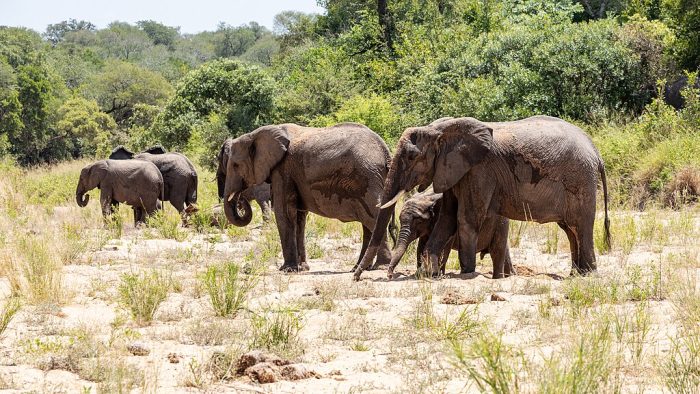
If you are looking for a mix of wildlife with luxury comfort, delicious food, easy logistics, and unforgettable cultural experiences, there is no better safari destination than South Africa.
Where to Go for a South Africa Safari
Kruger National Park
The Big Five, rare wild creatures, varied habitats, and budget-ultra luxury safaris.
Sabi Sands
Exclusive lodges, diverse wildlife species, including nocturnal creatures, and intimate experiences.
Pilanesberg
Child-friendly, malaria-free.
Eastern Cape Reserves
Great for quick trips.
Why Choose a South Africa Safari in 2026?
The country is creating new private reserves, increasing the number of safari destinations.
An efficient transportation network, with multiple self-drive options.
Mouth-watering culinary and wine scene, which you can easily combine with wildlife safaris.
Botswana: Remote, Pristine, Wild, and Luxurious Safaris
Botswana is often regarded as Africa’s best luxury safari destination, thanks to its emphasis on low-impact tourism. Allowing vacationers to travel through the country’s untouched wilderness with purpose. “
Where to Go for a Botswana Safari
Okavango Delta
Unique ecosystem and status as the largest inland delta on Earth, water safaris, less-crowded wildlife sightings, exclusive experiences, and more.
Chobe National Park
Elephants, elephant, and… more elephants.
Moremi Game Reserve
Gorgeous scenery, exceptional wildlife sightings, including the Big Five, abundant birdlife, fewer crowds, and diverse ecosystems.
Makgadikgadi Pans
Salt flats, meerkats, and quad biking.
Why Choose Botswana for an African Safari in 2026?
Low-Impact Travel
More eco-lodges are opening, creating more opportunities for ecotourism in Africa.
Luxury Safaris
Botswana is one of the best destinations for a luxury safari experience on the continent, thanks to its high-value, low-volume tourism model, which prioritizes exclusivity over mass tourism. The quality of Botswana safaris and the elegance of its hotels and resorts are hard to beat.
Diverse Landscapes
Diverse landscapes with plenty of unique activities.
Incredible Wildlife Viewing
Incredible wildlife viewing opportunities, especially at the Okavango Delta.
Tip: If Chobe is high on your list, this 3-day safari tour is a good way to experience both game drives and river-based wildlife viewing without rushing the park in one day.
Related post: 10 Africa’s Most Dangerous Animals
Namibia: Desert Safari Meets Adventure Travel
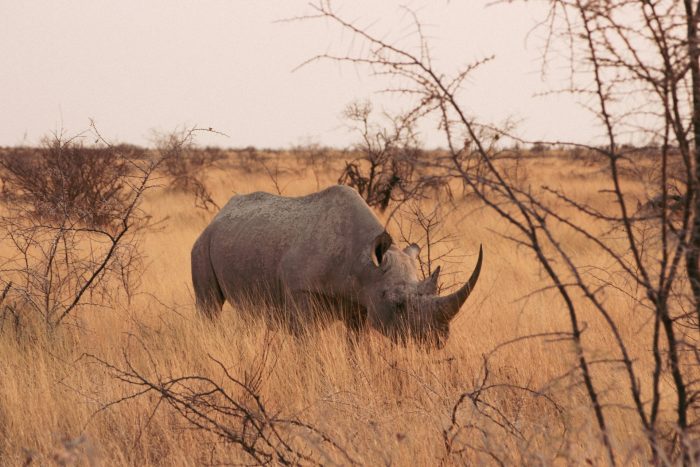
It isn’t your typical savannah land; it’s drier, and while there are all the Big Five, sightings aren’t as dense as other popular safari hotspots, like Kenya, Tanzania, or even Botswana. But its blend of vast, unique landscapes with dramatic scenery, iconic wildlife, rich traditions, and a deep sense of adventure and solitude makes it one of the best places for a safari in 2026.
Where to Go for a Namibia Safari
Etosha National Park
Impressive wildlife spotting opportunities, diverse species, including four of the Big Five, and exceptional salt pan scenery, perfect for photography enthusiasts.
Sossusvlei
The world’s highest dunes, wildlife spotting, hot-air balloons, and sunset photography.
Bwabwata National Park
One of Namibia’s best hidden safari gems, where lions, leopards, impala, hippos, and more creatures thrive.
Damaraland
Rare desert elephants, lions, and rhinos.
Why Choose Namibia for an African Safari in 2026?
Unique Landscapes
Unique landscapes, stunning desert scenery, and a deep sense of adventure and solitude in a remote setting.
Abundant Wildlife
Abundant wildlife, including those you wouldn’t expect in a classic safari experience.
Deep Cultural Immersions
Deep cultural immersions.
Related post: 13 Most Beautiful Places to Visit in Africa At Least Once
African Safari Activities for 2026
Classic Game Drives
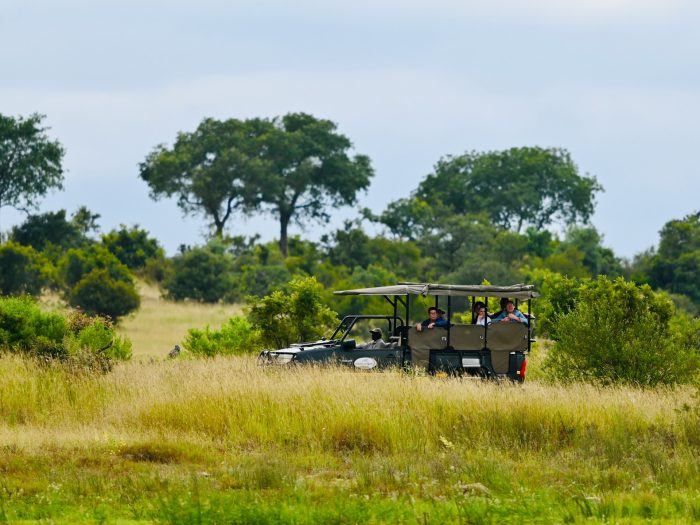
Game drives are the core part of any safari. Whether you prefer a morning or evening experience, it’s easy and enjoyable for vacationers of all ages.
Walking Safaris
There are some safari activities you won’t find in a typical national park and reserve experience, and walking safaris are one of them. These guided walks, led by knowledgeable local guides, offer a more immersive experience through Africa’s stunning landscapes. They are popular in conservancies in Kenya, Zambia, and Zimbabwe.
Boat Safaris
Boat safaris are an excellent way to spot elephants, hippos, birds, and opportunistic predators along the edge of the water.
Night Drives
Night drives, which take place after sunset, are a great way to observe nocturnal creatures, such as hyenas, leopards, and genets.
Cultural Safaris
African cultural safaris go beyond the typical sightings. They involve village visits in places like the Serengeti and Maasai Mara, allowing one to fully immerse oneself in the culture and traditions of the local communities. Exploring, appreciating, and contributing to the preservation of local cultures is a great way of being responsible while you travel.
Hot-Air Balloon Safaris
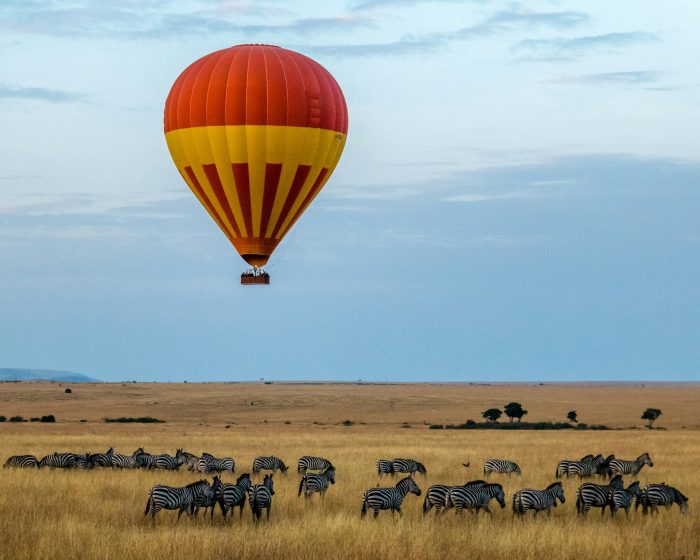
Game drives and safari walks are immersive, but nothing beats the thrill of viewing Africa’s wild, untamed landscapes and diverse wildlife from the comfort of a hot-air balloon! Serengeti, Masai Mara, and Namibia’s dune areas are some of the best places for hot-air balloon safaris.
How Much Does an African Safari Cost in 2026?
The cost of an African safari varies widely because no two safaris are built the same. The country, season, accommodation style, park fees, transport, and level of exclusivity all affect the final price.
- Budget safari: About $150–$350 per person per day
- Mid-range safari: About $350–$800 per person per day
- Luxury safari: About $1,000–$3,000+ per person per day
Kenya and South Africa usually offer the widest range of budgets, while Botswana and Tanzania often lean more expensive, especially for private, fly-in, or luxury safaris. The smartest approach is to choose your destination first, then match your budget to the kind of safari experience you actually want.
How to Choose the Right Safari Destination in 2026
Go to Kenya or Tanzania if you are interested in:
- Big cats
- Great Migration
- Iconic African landscapes
Go to South Africa if you are interested in:
- Luxury African safari
- Family-friendly safaris
- Easy travel logistics
Go to Botswana if you are interested in:
- Exclusivity
- Water safaris
- Pristine beauty and solitude
Go to Namibia if you are interested in:
- Unique landscapes
- Remote experience
- Desert wildlife
Related post: This is How Much a Kenya Safari Costs in 2026
Best Time for a Safari in 2026
The time you choose to travel to Africa will determine the best places to visit for safari, activities, and overall experience.
June–October (Dry Season)
- Best wildlife viewing opportunities
- Animals gather around water
- Cooler weather
Where to go: Kenya, Tanzania, Botswana, Zambia, Zimbabwe, South Africa
November–March (Green Season)
- Beautiful, lush landscapes
- Fewer crowds
- Best for birdwatching
- Lower rates
Where to go: South Africa, Tanzania, Namibia
Great Migration Highlights
- July–September: Mara River crossings
- December–March: Calving season in Southern Serengeti
Tips for Planning an African Safari in 2026
Avoid common mistakes on a safari with these tips:
- Ensure you book your safaris well in advance, especially during peak season. The best camps and lodges typically sell out 9-12 months in advance.
- Opt for conservancies if you are seeking a quieter adventure. They have fewer vehicles, guaranteeing an intimate experience. They also offer a range of activities that go beyond just game drives, including walking safaris/night drives and off-roading.
- Pack Light and Smart. Ensure you have all the necessities, depending on where you are going. Neutral clothes, lightweight layers, comfortable shoes, sunscreen (& a hat), a reusable water bottle, and a good camera are must-haves!
- Don’t Chase “The Big Five”. If you want to have an unforgettable safari experience, do not chase the Big Five. Let the wildlife experience come naturally. Trust your guides. They know what they are doing.
- Support the local communities. African safaris aren’t just about spotting wildlife and getting lost in the continent’s unspoiled natural landscapes. It’s also about leaving a lasting impact on the local communities you visit. Make your trip more meaningful by participating in activities that directly support the locals.
- Understand Safari Budgets. It’s essential to understand safari rates before going on a trip. This will help you book one that fits your budget and meets your expectations. Typical safaris range from $150 to $300 for budget travelers, $300 to $700 for mid-range tourists, and $ 800 to $2000+ per day for luxury experiences.
Note: Botswana and Tanzania tend to be pricier than Kenya and South Africa, which offer a wider range of budgets.
Related post: Top 7 Sustainable Travel Destinations in Africa
Conclusion
The African safari scene is rapidly evolving, with new, more immersive experiences, better tourism infrastructure, and notable efforts towards sustainable tourism. Whether you are seeking to see the endemic species of Northern Kenya, enjoy the best Big Five sightings, or get lost in incredibly wild scenery, there is something for everyone.
Safaris aren’t just your typical trips; they are travel experiences you should enjoy at least once in a lifetime. And in 2026, the continent is offering even more striking adventures.
Frequently Asked Questions
How much does a guided African safari cost?
A guided African safari can cost anywhere from $250 to $1,500+ per person per night, depending on the country, season, lodge style, park fees, and whether it’s a group, private, or fly-in safari.
How much should you tip a safari guide in Kenya?
A fair tip for a Kenya safari guide is usually $10–$25 per guest per day. For a private guide who goes above and beyond, tipping on the higher side feels more appropriate.
How to plan an African safari trip?
Start with your budget, travel month, and the animals or landscapes you most want to see. Then choose the country, parks, safari length, lodge style, and whether you want a private, group, or self-drive experience.
Which African country is best for a safari?
Kenya and Tanzania are best for classic first-time safaris, Botswana for exclusivity, South Africa for easy logistics, and Namibia for desert scenery. The best country depends on your budget, comfort level, and safari style.
Where should I go for my first safari in Africa?
For a first safari, Kenya, Tanzania, or South Africa are the easiest choices. Kenya and Tanzania feel classic and wildlife-rich, while South Africa is great for families, self-drives, and smoother travel logistics.
What is the safest African country to visit for a safari?
Botswana, Namibia, Kenya, Tanzania, and South Africa are popular safari destinations when planned well. Safety depends less on the country alone and more on using trusted operators, staying in established safari areas, and following the guide’s advice.
What is the best month to take an African safari?
For many safari destinations, July to October is excellent because it’s dry, wildlife gathers near water, and sightings are easier. But the best month still depends on the country and what you want to see.
Why can’t I wear white on safari?
White is not dangerous, but it stands out, shows dust quickly, and can feel too bright in the bush. Neutral colours like khaki, olive, tan, and brown are more practical for game drives.
What colors make animals aggressive on safari?
No colour automatically makes animals aggressive. The bigger issue is visibility and insects. Bright colours can make you stand out, while blue and black are often avoided because they may attract tsetse flies.
What is the rarest animal to see on an African safari?
A pangolin is one of the rarest safari sightings. It is shy, mostly nocturnal, and rarely seen even by experienced guides, which makes spotting one feel incredibly special.