
Last Updated on July 7, 2026
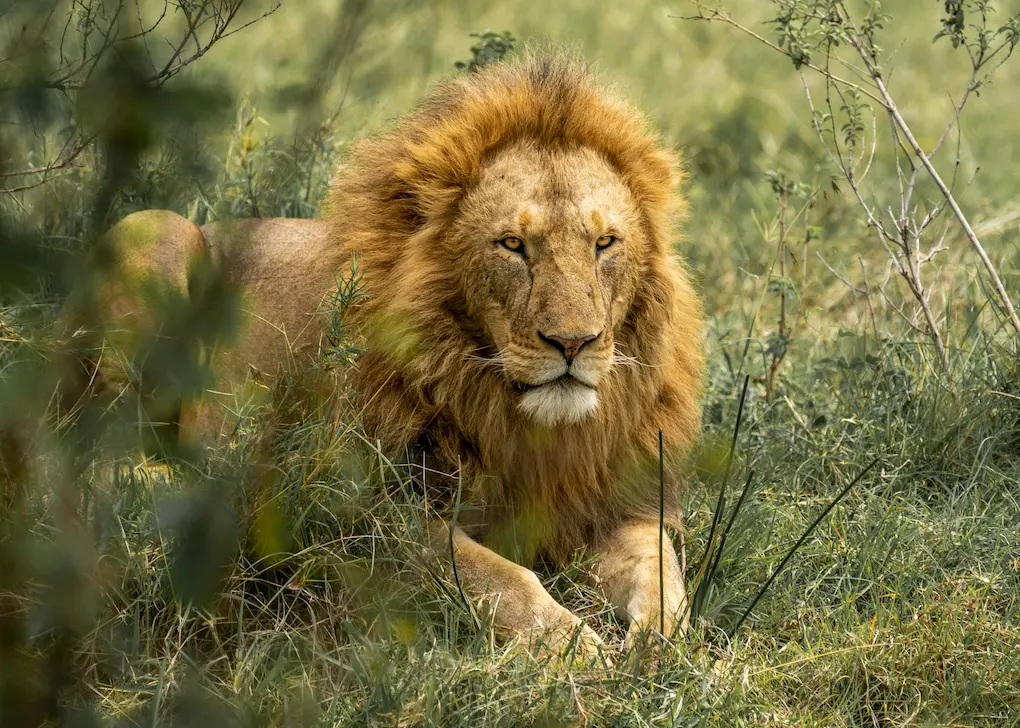
Maasai Mara, one of the most beautiful places in Africa to visit at least once, is among the world’s most awe-inspiring wildlife destinations. It’s most famous for the annual Great Migration, a natural spectacle that attracts hundreds of thousands of travellers yearly. While it’s wonderful that travellers from around the world appreciate the grandeur of this natural event, such high travel demand brings pressure. Too many safari vehicles at one sighting, over-littering, and heavy traffic can strain the park’s fragile ecosystem. Too many safari vehicles at one sighting, over-littering, and this can put pressure on the environment. This is why travelling sustainably is crucial. It means enjoying your Kenya safari, while actively contributing to the conservation of wildlife and the very ecosystems that support their existence. Learn how to visit Maasai Mara responsibly with useful tips for securing the future of the creatures you love to see.
Related post: Sustainable Safari in Kenya: How to Choose an Ethical Safari Experience
How to Make Travel Sustainable in Maasai Mara
Choose Eco Stays in Maasai Mara
When exploring Maasai Mara sustainably, the number one thing to consider is the location of your hotel. The park and its surroundings have plenty of places to stay, but not every lodge or camp that labels itself as eco-friendly is genuinely sustainable. Look for eco-certified hotels. Various lodges and camps receive certifications and eco-ratings from Ecotourism Kenya and similar organisations based on their contributions to environmental conservation. Opt for accommodations that source their power from solar energy, have strict waste-management policies, and have robust water-recycling systems. Choosing to stay in such lodges ensures your safari experience doesn’t hurt Maasai Mara’s fragile ecosystem.
Note: A lodge can call itself eco-friendly, but the real question is what it does every day. Before booking, check whether its sustainability claims are specific, current, and easy to verify.
Consider Staying in a Conservancy

Staying in a conservancy can be a great way to reduce pressure on the main reserve. Conservancies, which can be private or community-owned, are known to cap the number of beds allowed per acre, ensuring exclusive Maasai Mara safaris. With a low number of safari vehicles, animals are less likely to be disturbed. Additionally, pressure on the environment is significantly reduced. Furthermore, because these conservancies partner directly with locals, the money you spend is ploughed right back into the community, supporting various initiatives, including education and health. Naboisho and Ol Kinyei, two of Kenya’s best wildlife conservancies, are two of the best you can opt for during your next trip.
Choose Ethical Safari Operators
If you want a safari experience that protects the ecosystem, ensure you vet tour operators for eco-certifications, ratings, sustainable practices, and strict low-impact wildlife-spotting protocols. You can’t just be looking for ‘eco-friendly’ labels. Like eco-lodges, tour operators who have undergone thorough on-site audits of waste, energy conservation, and community engagement are awarded Bronze, Silver, or Gold. Ask how many safari vehicles the tour operator allows per sighting.
Also, ensure you check whether the tour operator is officially associated with the Kenya Association of Tour Operators (KATO). This organisation ensures its members maintain strict safety standards, legal compliance, and environmental conservation.
Don’t forget to evaluate tour guide ethics and standards. Remember, your tour guide is the most crucial connection to an eco-friendly safari in Maasai Mara. So, ensure you ask your tour operator about their guiding requirements and check if the guide assigned to you is certified by the Kenya Professional Safari Guides Association (KPSGA).
Prioritise Ethical Wildlife Viewing
One of the best ways to visit Maasai Mara responsibly is to learn to keep your distance. The urge to enjoy an up-close witness to Africa’s most dangerous animals, such as lions, killing wildebeest at a river crossing, is real. While it’s understandable to want that, crowding and off-roading to capture your wildlife moments can do more harm than good. Going off designated tracks disrupts vegetation and the habitats of ground-nesting birds. Meanwhile, overcrowding distresses the animals, and can interrupt the natural behaviour you came to see. Become a responsible traveller by indulging in ethical wildlife viewing; don’t drive off-road and avoid getting too close.
Tip: During the Great Migration, be extra patient around river crossings. Never pressure your guide to block animals, rush closer, or join overcrowded viewing spots for the perfect photo.
Related post: What’s Wildlife Really Like When Maasai Mara Seems Quiet?
Show Appreciation and Respect to the Local Maasai Culture and Community
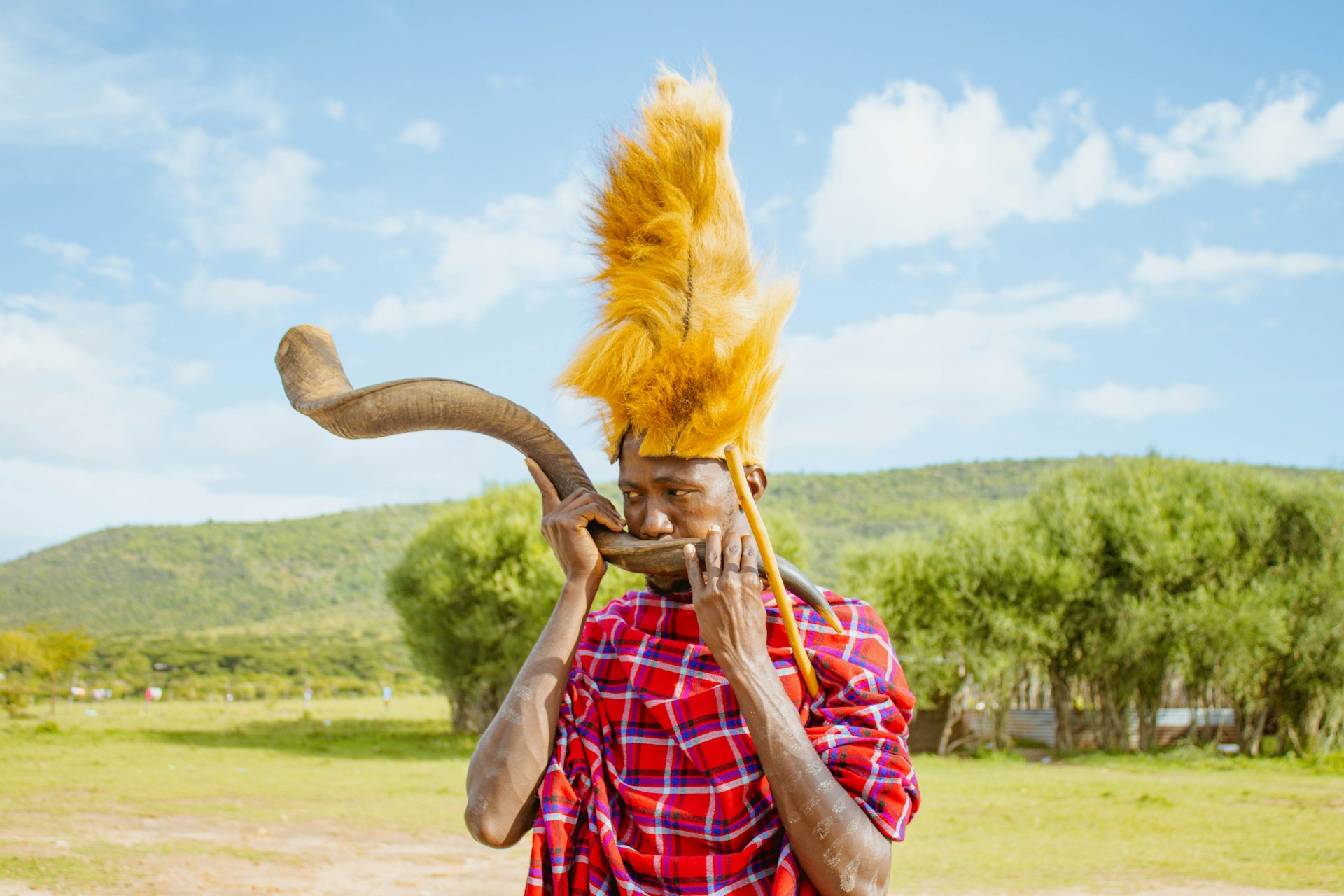
When exploring the Maasai Mara and Maasai Villages, it’s important to show love, appreciation, and respect for the culture and people. Don’t just see them as quick photo ops. In every village visit, ensure you are genuinely engaging with the people, asking questions about their rich customs and traditions, and their general lifestyles. Don’t take pictures without first asking community members for permission. Always treat these people the same way you’d expect to be treated if it were your village back home.
Understand and Follow Park Rules and Regulations
A sustainable safari in Maasai Mara National Reserve also depends on you understanding and following the reserve’s rules. Abiding by the regulations is not only essential to your safety as a visitor but also helps preserve the ecosystem and ensures wildlife aren’t distressed, which, in turn, promotes a better safari experience. Some of the rules to keep in mind include staying inside safari vehicles, except in areas designated for picnics or during walking safaris with expert, armed rangers, maintaining a respectful distance from the creatures, managing your time (your ticket to the park is valid only between 6 am and 6 pm), and avoiding noise and speeding.
Consider Slower Travel Pace Over Rushed Trips
If you are practicing sustainable tourism in Maasai Mara, one of the most effective ways is choosing a slower travel pace. Rushed trips cause overcrowding at wildlife sightings and also lead to high carbon emissions because of constant driving. You’ll also be less likely to contribute to meaningful support of the Maasai communities. Slower travel pace not only lowers your carbon footprint but also reduces overcrowding. It also allows you to enjoy deeper wildlife experiences; instead of rushing to check off the Big Five on your list, you observe quietly, witnessing unique animal behaviours, such as grooming and maternal care.
One of the best ways to plan a slow safari is to extend your stay in the Maasai Mara; instead of a 1-2-day safari, you opt to stay 4 or 5 nights. Another effective tip for enjoying a slow safari is including non-driving activities, such as birdwatching and guided safari walks, in your Maasai Mara itinerary.
Related post: What a Bad Safari Day in Maasai Mara Looks Like (And Why It’s Still Worth It)
Reduce Waste and Your Safari Footprint

Maasai Mara and other remote parks in Kenya suffer from waste management, with people often polluting the environment with plastic waste, such as bottles and bags. Doing this isn’t just detrimental to the environment, but can also be fatal if animals consume them. Fortunately, plenty of eco lodges in Maasai Mara now offer reusable water bottles that you can refill at water stations. Please bring your own if you are staying at a place where these bottles aren’t provided. And if you are packing any food or drinks, don’t come with them wrapped in plastic. Never throw away your waste in the park; keep it inside your safari vehicles until you reach the trash bins at your hotel, camp, or the Olkiombo Airstrip.
Purchase Something from the Local Artisans
Contributing to local economies is an excellent way to have a positive impact on local communities. So, whether you are visiting Maasai Mara for a wildlife or a cultural safari, remember to buy something from the local artisans. Some of the top souvenirs to buy in Maasai Mara include beadwork, carvings, or the colourful shuka blankets.
Note: When buying handmade items, remember that the lowest price is not always the fairest one. Bargain respectfully, ask about the story behind the piece, and pay in a way that honours the work behind it.
How Does Responsible Tourism Support Conservation in Maasai Mara?
When done well, sustainable travel in Maasai Mara plays a crucial role in conserving wildlife and the environment. Revenue from park and conservancy fees, lodging, and local tour-guiding services helps protect wildlife habitats while ensuring locals directly benefit from conservation efforts.
This is particularly vital in areas outside the main wildlife parks and reserves where animals roam even through community lands.
A tourism approach that supports landowners, artisans, local guides, and conservation projects significantly reduces the need to turn important wildlife areas into settlements, farms, or different forms of development.
For this reason, how you choose to visit matters. A sustainable trip to Maasai Mara shouldn’t be all about exceptional wildlife sightings; it’s better if it also ensures the people, communities, and ecosystems that make those sightings possible are supported.
Related post: Top 8 Sustainable Travel Destinations in Kenya
To conclude, if you are wondering how to visit Maasai Mara responsibly, the answer lies in your conduct and in your respect for the wildlife and the habitats they rely on. By choosing eco stays, booking with ethical tour operators, practicing eco-friendly wildlife viewing, supporting local communities, and opting for slower-paced travel over rushed trips, you ensure not only that you leave with memories but also that you leave a positive, sustainable impact on the savannah.
Frequently Asked Questions
Is Maasai Mara an ethical safari destination?
Yes, if you visit responsibly. Tourism helps fund conservation and local livelihoods, but your choices matter. Stay with responsible camps, follow wildlife rules, and support guides, conservancies, and community experiences that benefit local people.
How can I visit Maasai Mara without harming wildlife?
Keep a safe distance, stay quiet near animals, never feed wildlife, and do not pressure your guide to chase sightings or go off-road where it is not allowed. Good wildlife viewing should not disturb natural behaviour.
What rules should tourists follow in Maasai Mara?
Stay in your vehicle unless told otherwise, avoid littering, keep noise low, follow speed limits, and listen to your guide or ranger. Park rules protect both visitors and wildlife, especially around big cats and the Great Migration river crossings.
Is it ethical to visit a Maasai village?
It can be, if the visit is respectful and fairly paid. Ask before taking photos, avoid treating people like props, buy directly from local artisans, and choose community visits that clearly benefit residents.
Should I stay in Maasai Mara National Reserve or a conservancy?
The main reserve is best for classic Mara scenery and for access to the Great Migration. Conservancies are usually quieter, with fewer vehicles and stronger links to local landowners. If your budget allows, combining both gives a more balanced safari.
How do Maasai Mara conservancies help local communities?
Many conservancies lease land from local Maasai landowners, creating income while protecting wildlife habitat. They can also support local jobs, guiding, schools, health projects, and conservation work when managed responsibly.
Is Maasai Mara overcrowded?
It can be, especially during the Great Migration and around big cat sightings. You can avoid the worst crowds by travelling outside peak months, staying in conservancies, and choosing guides who avoid overcrowded wildlife scenes.
How do I choose a responsible Maasai Mara safari lodge or camp?
Look for camps that employ local staff, reduce waste, manage water carefully, support conservation, and work with nearby communities. A responsible lodge should be clear about how your stay benefits wildlife and local people.