
Last Updated on July 7, 2026
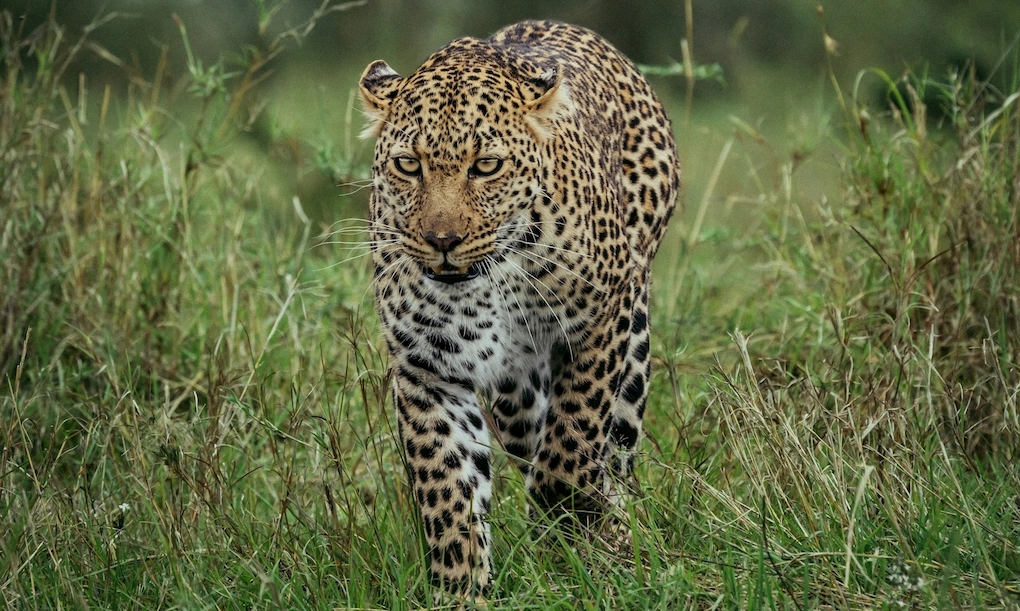
Kenya is a pioneering safari destination with some of the most unforgettable wildlife experiences. One of its main highlights is the Big Five, which refers to five of the most iconic creatures in the wild: the lion, leopard, elephant, rhino, and Cape buffalo. Seeing these animals is the ultimate safari goal for any trip to Kenya, and one question tourists normally ask is: Can you see the Big Five in Kenya in one day? If you are also wondering, it’s not something an honest guide should guarantee. Because while the country is a stronghold for these creatures, it’s not equally easy to spot them in every park. If you can only spare a day for a safari adventure, your best option depends on where you plan to start from and which kind of experience you are going for.
A Brief History of Kenya’s Big Five?
The term ‘Big Five’ can be traced right back to the colonial period. It was coined by big-game hunters who used the words to describe Africa’s most dangerous and difficult animals to hunt on foot. The constant killing of these wild beauties between the late 1800s and the 1900s significantly reduced the population across all five species.
Kenya established its first National Park, Nairobi, in 1946, to prevent hunting. Between the 1970s and 1980s, the intense poaching of rhinos’ horns almost drove them to extinction. 1989 was a conservation renaissance in Kenya, when the Kenya Wildlife Service was established to oversee and help eliminate the severe poaching crisis. The famous 1989 ivory burn showed the country’s commitment to wildlife conservation. Additionally, it has been actively deploying armed anti-poaching units to protect wildlife and curb wildlife crime since then.
Fortunately, the Big Five are now the pinnacle of Kenya’s thriving safari tourism, with all five protected in various destinations across the country.
Related post: 7-Day Kenya Itinerary: Safari, Culture, and Coastal Escapes
Can You See the Big Five in Kenya in One Day?
It’s possible to see the Big Five on a Kenya Safari, but with limits. Wildlife sightings depend on your preferred destination, which time of the year you visit, how much time you can spare, and sometimes simply luck.
Some of these creatures are easier to spot than others. If you are in the right parks, you’ll find it easier to spot the Cape Buffalo and elephants. Leopards, known for being shy, solitary, and adept at camouflage, can be very difficult to see.
So, while you can try to see the Big Five in Kenya on a 1-day safari, you’ll have very limited time. For that reason, it’s important to choose the right place and opt for an early start and an expert guide.
Where to See the Big Five in Kenya in One Day
Nairobi National Park: best for a short safari
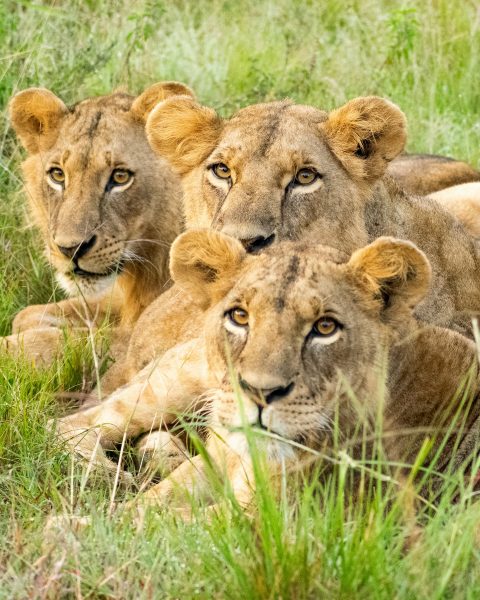
If you are starting from Nairobi, Nairobi National Park is the easiest and quickest way to access wildlife. Just a short drive from the CBD, it offers the unique opportunity to view these animals against the city’s breathtaking skyline and is ideal for vacationers with limited time. But it’s home to only four of the Big Five, with the wild elephant missing. So, you’ll have a Big Four Safari, not a Big Five Safari.
So, you can do a short safari from Nairobi, but if you are aiming to see all of the Big Five in one day, you should take your time in planning and visit the right safari destination.
Maasai Mara National Reserve: best for classic Big Five safari
There’s no better destination for the Big Five sightings than the world-famous Maasai Mara, one of the most beautiful places to visit in Africa. However, it’s much larger than Nairobi, so a one-day safari can be difficult to fit in. It can be easier if you are already somewhere in or near the Mara or planning to fly in from Nairobi. But even then, seeing all members of the Big Five isn’t a given. You’ll probably spot lions, elephants, buffalo, and leopards, but rhinos aren’t easy to spot in the park.
Ol Pejeta Conservancy: best for rhino-focused trips
If you are prioritising rhino sightings, Ol Pejeta, one of the best conservancies in Kenya, is a great place to check off your bucket list. It’s home to all of the Big Five, but since it’s also the biggest rhino sanctuary in East Africa, rhinos are easier to spot than any other Big Five member. The conservancy is often considered a top Big Five spot, which is why it’s among the best Maasai Mara alternatives, but sightings vary with timing, wildlife movement, and luck. For instance, elephants roam through wildlife corridors connected to th wider Laikipia/Samburu ecosystem. The conservancy’s website mentions that although you can spot elephants at different times, their population isn’t fixed.
Furthermore, Ol Pejeta can’t be the easiest 1-day Kenya safari, because of the long drive to Laikipia/Nanyuki. However, if you stay overnight in Nanyuki or somewhere near the conservancy, then have an early start to your safari day, it’s doable.
Visiting Ol Pejeta Conservancy also offers unique experiences beyond classic big-game viewing. It’s among Kenya’s top sustainable travel destinations, and offers a chance to indulge in various conservation-focused activities. You’ll also get the chance to meet the last two Northern white rhinos, visit the only chimpanzee sanctuary in Kenya, try lion tracking, and take a guided bush walk.
Which of the Big Five is Hardest to See?
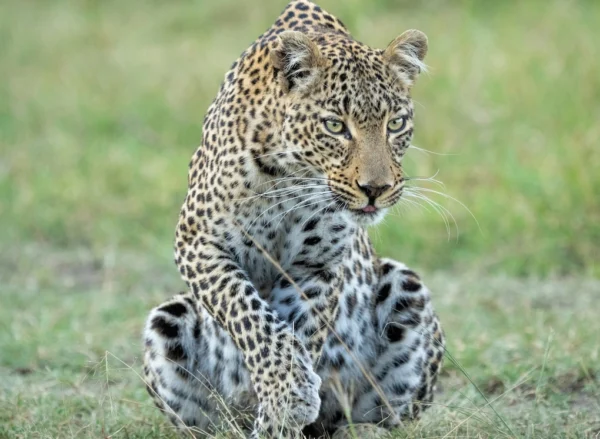
The leopard is the hardest to see of the Big Five, thanks to its camouflaged, solitary, and quiet nature. They spend most of the day resting in trees or hidden in thick cover, making them incredibly hard to spot, even when they are nearby. And they are strictly nocturnal.
The leopard is the hardest to find, but the rhino takes the crown for being the hardest to access. Being a critically endangered species due to poaching, they thrive in only a handful of highly protected areas.
Rhino sightings are easier in parks in places such as Lake Nakuru, Nairobi National Park, and Ol Pejeta.
Related post: Is Kenya Safe for Travellers in 2026? Here’s What You Need to Know
How Much Does a One-Day Big Five Safari Cost in Kenya?
A one-day Kenya safari costs start from around $100 per person, but prices vary depending on the destination, park fees, transport, guide, and whether the tour is shared or private. Safaris farther from Nairobi usually cost more, especially when flights or long transfers are included.
Estimated one-day safari costs in Kenya
- Shared Nairobi National Park safari: from about $100 per person.
- Private Nairobi National Park safari: around $168–$230+ per person.
- Maasai Mara one-day fly-in safari: usually much higher because of flights and transfers.
- Longer Kenya safaris: about a $200 budget, a $300 mid-range, and a $550luxury per person per day.
- Always check: park fees, meals, pickup, guide fees, and vehicle type.
What’s the Best Time to See the Big Five?
The best time to visit Kenya for the Big Five is usually the dry season (July through October). The vegetation is thin, forcing animals to gather around the remaining waterholes, making them easier to spot. But this is also the high season, which brings crowds, particularly in Maasai Mara.
If you want to escape crowds, consider visiting in January and February, which offer great outdoor conditions to enjoy wildlife viewing. Additionally, this is the calving season, which means a chance to see baby animals and predators taking advantage of the abundance.
Related post: What’s Kenya Like During the Green Season?
So, Is a One-Day Big Five Safari Worth It?
A one-day Big Five safari in Kenya is worth trying if you’re travelling on a limited time. However, it’s important to have realistic expectations. If you are in the capital, the easiest place to start is Nairobi National Park, but you’ll only see four of the Big Five there. If you want to see all the Big Five, Ol Pejeta or Maasai Mara would be ideal, but plan a 2- or 3-day safari to increase your chances of seeing them.