
Last Updated on July 31, 2026
From the world-famous rolling and expansive savannahs of Maasai Mara and Serengeti to Bwindi’s incredibly biodiverse tropical rainforest, East Africa’s diverse fauna and untamed landscapes attract vacationers from all corners of the globe. Some of the continent’s wildlife are easy to spot, like the lion, which occupies the top of the food chain and makes its presence known. Seeing these massive creatures is a thrilling experience, but nothing is more rewarding than logging some of the hidden gems in the East African wild.
Spotting these beauties requires more than just a classic game drive; a mix of luck, patience, and knowing where and how to position yourself can significantly increase your chances of encountering them. Here are 5 of the hardest animals to see on an East African safari.
The Leopard
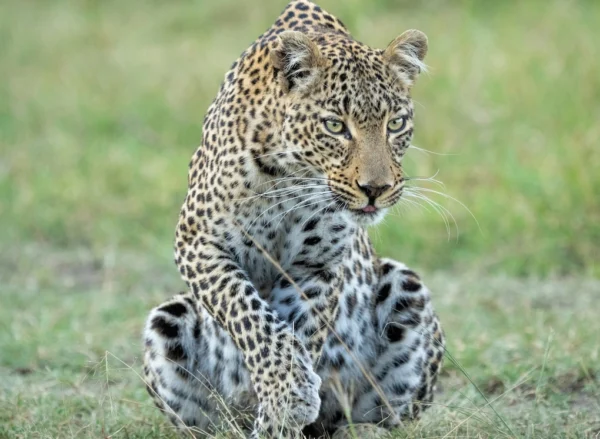
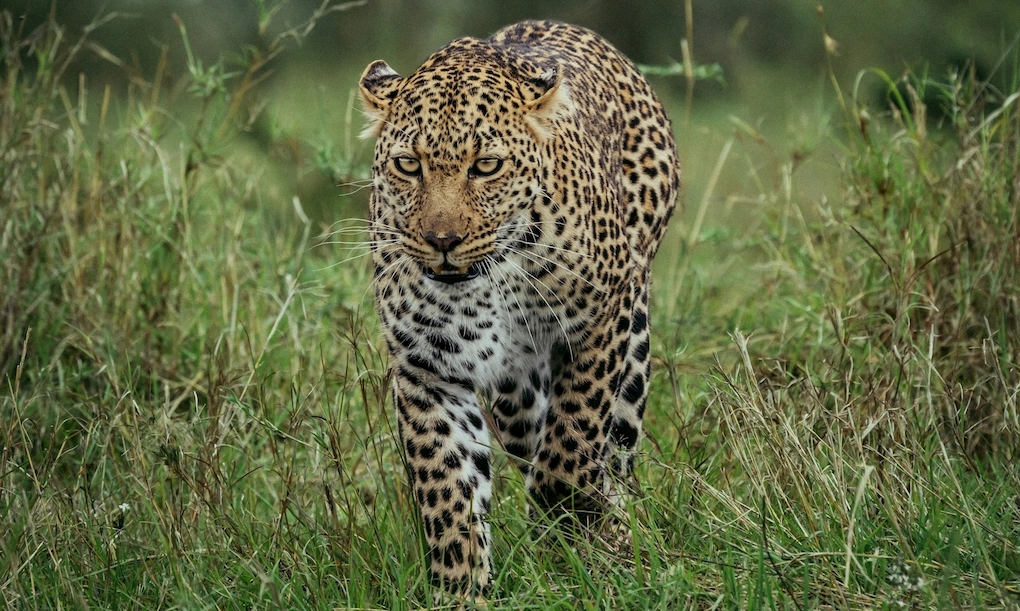
If you’re wondering if you can spot the Big Five in a day, the leopard might make it near impossible. It’s the most elusive of the creatures, often using its mastery in camouflage to hide from prey. The leopard is so difficult to spot that even the most experienced safari guides struggle to track it.
They are known to spend almost their entire day resting, conserving energy for hunting, which they usually do at dawn and dusk. They like using branches to hide from lions and hyenas, keeping their food safe away from the other fearsome predators.
So, unlike many of the wildlife species, which you can easily spot in the grasslands, with the leopard, you’ll always be scanning canopies, the shade of trees, and termite mounds. Maasai Mara and Serengeti, two of the most beautiful places to visit in Africa at least once, are among the best places to increase your odds of spotting the leopard.
Note: Recent sighting reports can be more useful than relying on a fixed location. Ask your guide where a leopard was last seen and whether it may return to the same resting area or kill.
Related post: The Ultimate African Safari Guide: Destinations, Costs, and Tips for 2026
The African Wild Dog
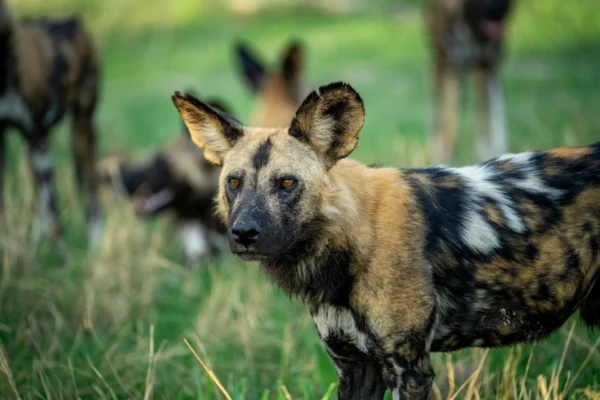
African wild dogs, also known as painted dogs, are among the rarest and most endangered animals in Africa, with only about 6,600 remaining in the wild. Their nomadic nature, never staying in a specific area for long, makes them incredibly hard to spot on an East African safari.
They can move across hundreds of kilometers so quickly that safari vehicles struggle to keep up with them. You’d lose their tracks within minutes of spotting them. They have a top speed of up to 70 km/h and hunt by running their prey to exhaustion. And while they are active during the day, their hunts mostly occur at dawn and dusk.
Aardvark
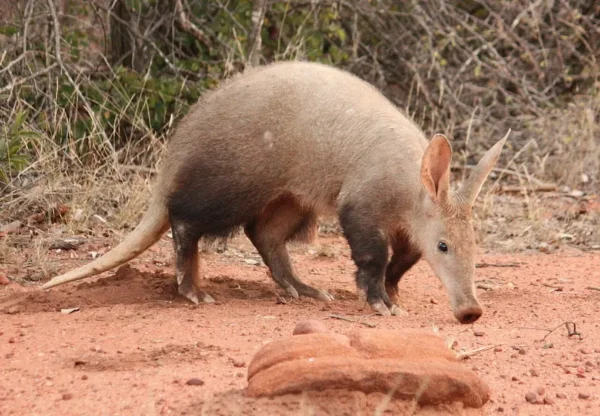
Aadvark’s mix of rabbit-like ears, pig-like snout, spade-like claws, and kangaroo-like tail makes it incredibly enchanting and weird-looking at the same time. Known for being highly secretive and almost entirely nocturnal, it’s one of the hardest animals to spot on a safari. They like to spend most of their day hidden deep underground in burrows to stay cool and avoid predators. By night, they pop out in search of ants and termites.
Pangolin
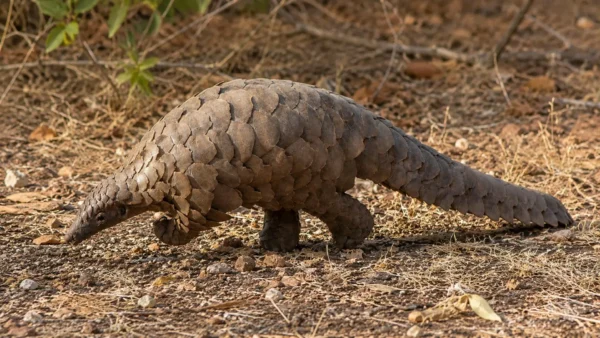
Whether on a Kenya safari or a Tanzania wildlife adventure, pangolins are among the toughest creatures to see in the East African wild. It’s incredibly shy, secretive, and one of the most endangered wildlife species in the region. Relying on termites and ants for food, they are nocturnal and can be spotted in mounds or forested areas. Made of tough scales, which protect it from predators like lions, pangolins often curl into a ball-like shape when they feel threatened, which further reduces the likelihood of encounters with them in East African parks.
Related post: What’s Wildlife Really Like When Maasai Mara Seems Quiet?
Serval
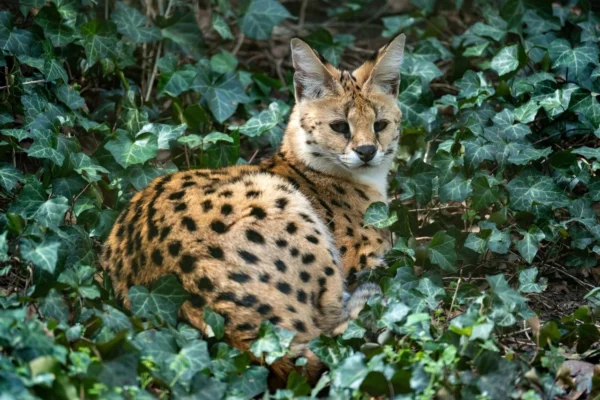
Serval is a slender wild African cat, golden-yellow-coated, and marked with bold black spots and stripes. It looks like a mini-cheetah and is native to sub-Saharan countries. It has the longest legs ad largest ears of all cat species relative to its body size; traits that allow it to see far during its daily hunts. They are not strictly nocturnal, but they are most active at dawn and dusk and remain among the hardest animals to photograph on a safari.
There you have it, the hardest animals to see on an East African safari. Was any of these familiar? Have you had the privilege of spotting one or two? An encounter with any of these beauties won’t be easy, but it’s possible. Wishing all the best in your East African wildlife adventures.